Umrah Mubarak Wishes: Best Duas and Blessings for Pilgrims

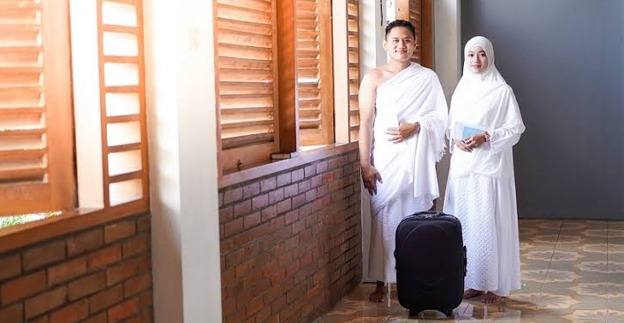
Umrah is a sacred journey that holds immense spiritual value in Islam. It is a beautiful opportunity for Muslims to cleanse their hearts, seek forgiveness, and strengthen their connection with Allah. When someone embarks on or returns from this blessed journey, sharing heartfelt prayers and good wishes becomes a meaningful way to express love and support.

Sending umrah mubarak wishesis not just a cultural gesture; it is rooted in the teachings of the Quran and Sunnah, where believers are encouraged to pray for one another and share in each other’s moments of spiritual success. These wishes often include duas (supplications) that ask Allah to accept the pilgrimage and grant lasting blessings.

The Importance of Umrah in Islam

Umrah, often referred to as the “lesser pilgrimage,” is a Sunnah act that carries great rewards. While it is not obligatory like Hajj, it is highly recommended and holds a special place in the hearts of Muslims.

Quranic Perspective

Although Umrah is not mentioned as extensively as Hajj in the Quran, Allah says:

“And complete the Hajj and Umrah for Allah…” (Surah Al-Baqarah 2:196)

This verse highlights the importance of performing Umrah with sincerity and devotion solely for the sake of Allah.

Sunnah of the Prophet (PBUH)

The Prophet Muhammad (peace be upon him) performed Umrah multiple times and emphasised its spiritual benefits. He said:

“The performance of Umrah is an expiation for the sins committed between it and the previous one.” (Sahih Bukhari & Muslim)

This Hadith shows that Umrah is a means of purification and renewal of faith.

Why Sending Umrah Mubarak Wishes Matters

Islam teaches believers to support one another through prayers and kind words. When someone goes for Umrah, it is a moment of spiritual elevation, and sending wishes reflects unity and brotherhood.

Strengthening Bonds

Sharing blessings strengthens relationships and reminds the pilgrim that they are remembered in the prayers of loved ones.

Encouraging Good Deeds

When you send duas, you also engage in an act of worship. The Prophet (PBUH) said:

“The supplication of a Muslim for his brother in his absence will certainly be answered.” (Sahih Muslim)

Best Duas for Umrah Pilgrims

Here are some meaningful duas you can include in your wishes:

1. Dua for Acceptance

“May Allah accept your Umrah, forgive your sins, and grant you endless blessings.”

This is one of the most common and heartfelt supplications, asking for acceptance (Qabooliyat), which is the ultimate goal of any act of worship.

2. Dua for Forgiveness

“May Allah purify your heart and forgive all your past and future sins.”

This reflects the essence of Umrah as a journey of spiritual cleansing.

3. Dua for Safe Journey

“May Allah grant you a safe journey and bring you back with countless blessings.”

Travel is an important part of Umrah, and Islam teaches a beautiful Dua for travelling:

“Subhanalladhi sakhkhara lana hadha wa ma kunna lahu muqrinin, wa inna ila Rabbina lamunqaliboon.” (Quran 43:13–14)

This Sunnah dua adds more meaning and blessings to your wishes.

4. Dua for Spiritual Growth

“May this Umrah bring you closer to Allah and strengthen your Imaan.”

This dua focuses on long-term spiritual benefits beyond the journey.

Heartfelt Umrah Mubarak Wishes

Here are some beautiful ways to express your feelings:

Simple and Sincere Wishes

  • Umrah Mubarak! May Allah accept your worship and grant you peace and happiness.
  • May your Umrah be filled with light, blessings, and mercy.

Emotional and Thoughtful Messages

  • Your journey to the House of Allah is truly inspiring. May every step you take bring you closer to Jannah.
  • Remember us in your prayers as you stand in the most sacred places. Umrah Mubarak!

Wishes for Returning Pilgrims

  • Welcome back! May your Umrah be accepted and your life filled with the light of this blessed journey.
  • May the purity you gained during Umrah remain with you forever.

Sunnah Etiquette When Someone Goes for Umrah

Islam also teaches us proper manners when interacting with pilgrims.

Requesting Duas

It is Sunnah to ask someone going for Umrah to make dua for you. The Prophet (PBUH) encouraged this practice, as the supplication of a traveller is accepted.

Giving a Warm Farewell

Offering kind words and prayers before departure is a noble act that reflects love and brotherhood.

Welcoming Them Back

Upon their return, greet them warmly and make dua for the acceptance of their Umrah.

Tips for Writing Meaningful Umrah Wishes

Keep It Faith-Centred

Focus on duas and Islamic values rather than just general congratulations.

Use Quranic and Sunnah References

Including authentic teachings adds depth and sincerity to your message.

Be Personal

If possible, mention the person’s name or include a personal prayer for them.

Conclusion

Umrah is a journey of the heart, filled with devotion, humility, and hope. Sending heartfelt wishes and duas to pilgrims is a beautiful way to share in their spiritual experience. Rooted in the teachings of the Quran and Sunnah, these messages go beyond words; they become acts of worship and love.

Whether you are bidding farewell to someone going for Umrah or welcoming them back, your sincere prayers can make a lasting impact. May Allah accept the Umrah of all pilgrims and grant us the opportunity to visit His sacred house. Ameen.

Best ways to stay Healthy and Fit during Performing Umrah

There are many ways to stay healthy and fit during Umrah. As you know, performing Umrah involves a lot of walking and energy so great stamina and strength is required to be able to fulfill your Umrah rituals. For this purpose, you need to make sure that you focus on your hydration as well as a balanced and proper and nutritious diet. Before going on your Umrah journey, first you need to make sure that you are physically and mentally prepared. If you want to go on a comfortable Umrah journey, you need to build your stamina. Islamic Travel brings you all-inclusive Umrah Packages with all the important tips and guidelines necessary for your holy journey.

Why Health and Physical Fitness Matter during Umrah

Umrah is a sacred pilgrimage that involves both spiritual and physical journey. It can be extremely strength taking as the Umrah rituals require a lot of walking. Doing this can be hard especially during the hot summer months with excessive heat. Therefore, as humans you require a lot of stamina to be able to perform these rituals easily. Many pilgrims claim they got sick during or after coming back from their trip. Before you depart, you therefore need to make sure that you get a full health checkup and physically train your body to be able to perform the rituals without any discomfort.

How to Prepare Your Body for the Physical Demands of Umrah?

In order to save yourself from any kind of trouble and sickness during your trip, you need to train your body to be physically prepared to perform all the Umrah rituals. First of all, you need to make sure that you get enough rest and sleep. Next, make sure to get diets high in nutrition and protein to be in a good physical shape before departing for your journey. Moreover, make sure that you get all your medical checkups done along with all the necessary vaccination especially the ones that are mandatory for your Umrah trip. You also need to adjust diet such that you take in more fruits and vegetables. Contact team Islamic Travel and find out more.

Tips for Managing Heat and Dehydration in Saudi Arabia

As Umrah pilgrims, you need to make sure that you follow the tips provided below in order to manage heat and dehydration during your holy journey:

  • Stay hydrated/ drink plenty of water
  • Increased intake of fluids and juices
  • Consume water-rich foods
  • Avoid sugary drinks
  • Wear heat protective clothing
  • Limit the exposure to sun
  • Drink electrolyte infused drinks

What to Eat During Umrah to Stay Energized and Avoid Illness

As a pilgrim, you must be aware and careful to stay energized during your trip. You must know what foods to consume to avoid illness and prevent any kind of discomfort. The following table shows a comparison:

Foods YES/NO
Protein-rich YES
Healthy fats YES
Fruits and Veggies YES
Fried Food NO
Overly Sugary/Salty Foods NO
Fatty Meals NO
Laban YES
Zamzam Water YES
Healthy Snacks YES
Street Food NO

Best Exercises and Stretches to Practice before Your Umrah Trip

There are some exercises and stretches that pilgrims must practice before going on their Umrah trip. This includes doing a lot of walking as well as light cardio and stretching. You need to make sure that you prioritize a balanced diet full of nutrition in order to support and balance your energy levels during your pilgrimage. Since Umrah can be very tiring and exhausting, you need to make sure that you are physically active and prepared to be able to perform the rituals. Islamic Travel provides you a list of the best exercise and stretches to help you practice before your trip. We are organizing an Umrah trip in the month of March which provides complete guide about exercises to stay fit during your holy pilgrimage. Muslim Pilgrims can book our March Umrah Packages UK from Islamic Travel with proper guide.

Wearing the Right Footwear to Prevent Fatigue and Injury

Do you know wearing the right footwear has the ability to transform your entire Umrah experience? Since Umrah is all about walking you need to make sure that you are wearing the right footwear that is soft and comfortable enough to prevent any kind of fatigue and injury. The right footwear brings you a smooth and comfortable Umrah experience. It also helps with the posture and helps preventing any kind of strain on the muscles. You can also start practicing walking in the shoes that you plan to wear during your Umrah trip.

Protecting yourself from Sunburn, Heatstroke, and Exhaustion

If you want to have a comfortable Umrah experience, you can protect yourself from sunburn, heatstroke and exhaustion. For this purpose, you need to be aware that you must apply sunscreen again and again. Moreover, drink plenty of water especially electrolyte water to be able to balance the body fluids. Pilgrims must also seek shade and avoid sun exposure by wearing light clothes and hats to prevent heatstroke.

How to Manage Long Walks Between Ritual Sites without Overexertion

Umrah requires a lot of walking which requires strength and energy. For this purpose, you need to be able to walk long distances without overexertion. If you want to prevent any kind of trouble that you might face during the trip, you must practice walking longer distances in comfortable shoes before departing. You can also practice gradually hiking or walking many miles to increase your walking pace over time. Contact team Islamic Travel and get all the tips you need to practice to be prepared and able to walk fine without overexertion on your Umrah journey

Essential Travel Health Kit for Your Umrah Journey

Whether you’re travelling for the first time or are a seasonal traveler, you need to be sure to carry your essential medications and health kit for your Umrah journey. Your health kit should include:

  • Essential Meds
  • First Aid
  • Electrolytes
  • Essential Vitamins
  • Pain Relievers
  • Travel Sickness tablets
  • Moisturizing/soothing creams and balms
  • Cough syrups
  • Bandages
  • Sunblock

Health Tips for Elderly Pilgrims Performing Umrah

Islamic Travel provides Umrah Packages that also includes health tips for all the elderly/ senior pilgrims. If you are travelling with an elderly passenger, you need to make sure to take care of these health tips because such people might feel vulnerable physically and emotionally during the Umrah journey. Moreover, they may also go through extreme health issues. The tips include keeping them hydrated, taking rests and breaks in between rituals, regularly washing hands and a balanced diet. Besides this, you can utilize wheelchair services for old age people. A pre-Umrah medical check-up is considered essential in this case.

Mental and Emotional Wellness Tips for a Peaceful Pilgrimage

Do you know mental and emotional wellness is extremely important during pilgrimage? You need to be able to focus on mindfulness and gratitude above all during your trip. You must know that rest is also very important to practice during your pilgrimage for healthy mind. You can engage in activities that help foster emotional regulation. Make sure to avoid social media as it can impose negative and toxic emotions. In short, you need to ensure that your mental well-being is also take care of during the trip otherwise you can seek assistance from professionals as well.

Makkah to Madinah Distance: Everything You Need to Know 

Makkah to Madinah Distance: Everything You Need to Know

No journey is more spiritually reviving than a trip to the two sacred cities of Makkah and Madinah in Saudi Arabia. Every pilgrim who visits Makkah for Hajj or Umrah also makes sure to visit Madinah too. It is not part of pilgrimage rituals, but it is still part of the complete spiritual package that every believer in Islam yearns for. Therefore, any Muslim who is planning a spiritual retreat soon might want to know about the Makkah to Madinah distanceand the best ways to commute between the two cities.

As you start assembling your pilgrimage itinerary, you might want to know everything about the journey from Makkah to Madinah, too. It is vital to have a smooth, more memorable experience. Understanding the distance between the two cities, along with travel options and tips, can help you have a stress-free trip between them. So, if you are a Canadian Muslim planning your Umrah with Kaabah Tours soon we are here to help all our Canadian Muslim brothers and sisters have the most unforgettable spiritual retreat. Let’s talk about everything you must know about travelling from Makkah to Madinah.

How Far is Makkah From Madinah?

The distance between Makkah and Madinah by road is around 450 kilometres (280 miles). The time to cover this distance might vary depending on your mode of transport. There are numerous commute options, including bus, car or train. If you travel between the two cities by bus or car, it will take you around 4.5 to 6 hours to travel from Makkah to Madinah. But if you take the train, you can easily cover the distance in just 2 to 2.5 hours.

Travel Options From Makkah to Madinah

Let’s talk about some of the top travel options from Makkah to Madinah.

High-Speed Train (Fastest and Most Comfortable)

Most pilgrims prefer travelling between cities by high-speed train. This is the fastest, most convenient way to travel between the two holy cities during your Hajj or Umrah journey. These modern high-speed trains connect Makkah, Madinah, and Jeddah and are known as the Haramain High Speed Railway.

There are many perks of travelling through this train. Some of them are listed below;

  • Comfortable seating
  • Air-conditioned cabins
  • Onboard facilities
  • Quick journey (around 2 hours)

Anyone who wants the most stress-free travel experience would prefer to travel on this high-speed train. It is also the only feasible choice for the elderly pilgrims and their families.

By Road, by Bus, or by Car

Another common choice among the pilgrims is travelling by road in a bus or a car. Many pilgrims travelling in groups prefer using this option for their trip between the holy cities. Some of the perks of this option are;

  • Affordable option
  • Multiple departure times
  • Opportunity to stop for a rest and a prayer break

Overview of the Route

There is a highway connecting Makkah and Madinah. It is well-maintained to serve pilgrims as best as possible. You can expect a smooth journey through this route, no matter which mode of transport you use. It runs through the desert landscapes of Saudi Arabia and promises a smooth travel experience. There are numerous rest stops, mosques, and service areas on this route, too, to facilitate the pilgrims.

Spiritual Significance of the Journey From Makkah to Madinah

The journey from Makkah to Madinah also has exceptional spiritual significance. This is not just any ordinary trip. You will be following the footsteps of our beloved Prophet Muhammad (SAW) as you embark on this route. Not only that, every Muslim’s heart yearns to experience the closeness of the Holy Prophet (SAW) and the serenity of the holy city of Madinah. And as you travel from Makkah to Madinah, you will feel very emotional that your dream will soon come true.

It is such a spiritual reviving journey that will make you want to stay in the sacred cities for the rest of your lives. You will not only be covering the distance between the two cities during this journey, but you will also have a glimpse of a pivotal moment in Islamic history. This makes it all a lot more enlightening and spiritually soothing.

Travel Tips for Pilgrims

As you plan your trip from Makkah to Madinah, you will need some helpful tips to make your journey as smooth as possible. So, let’s enlist some of the most effective tips to help you have the most unforgettable journey of your life.

  • Make sure to book in advance, especially if you plan to travel by high-speed train. Booking in advance becomes much more crucial if you are planning your pilgrimage during the peak season.
  • As we all know, a desert climate can be really intense and hot. Therefore, staying hydrated at all times is not an option but a necessity that you cannot ignore.
  • You must have all your essentials with you during your trip. Some of these essentials include snacks, a prayer mat, medicines, clothes, and comfortable shoes.
  • If you plan to travel between the two sacred cities by road, avoid peak travel times to avoid rush hour and added travel time.

Summing Up

A journey from Makkah to Madinah is not just a physical trip. It is a journey of spirituality, faith, devotion, and reflection. No matter which transport option you choose for this journey, you will have the most spiritually reviving journey. But still, you must understand the Makkah to Madinah distance and travel options between the two cities to have a smoother travel experience.


Best Way to Learn the Quran Online in 2026: Guide for Beginners

Alhuda Quran Academy courses

Most students who want to learn the Quran don’t put their efforts in the right direction & intention. As beginners, they feel confused and don’t know where to start, which method to follow, or how to stay consistent once they begin. Some people try random YouTube lessons, others rely on outdated learning methods which do not fit their schedules. Many students end up quitting halfway due to lack of structure and understanding.

The result is frustration, slow progress, and a constant feeling of being stuck & thinking that Quran learning is very difficult. There are so many options available today, the real problem isn’t access — it’s clear direction and a best trainer you need, who provides a clear system and 24-hour support.

Why Traditional Learning Methods Don’t Always Work

In the past, learning the Quran usually meant attending physical classes at a mosque, madrasa, or finding a teacher nearby. While this still works for some, it’s not always practical today. Schedules are unpredictable, commuting takes time, and quality instruction isn’t available everywhere.

The past tradition does not work for most adults. Males have jobs and other responsibilities, while housewives need someone to teach them in their free time. This gap has led many learners to look for alternatives that offer flexibility without compromising on quality.

The Rise of Online Quran Learning in 2026

Online education has changed how people approach religious learning. It removes location and transport barriers and allows students to learn at their own pace. More importantly, it gives access to qualified teachers from all over the world regardless of where you live.

However, not all online platforms are equal. Some lack structure, others lack qualified instructors, and many don’t provide long-term learning paths. Some of them just teach and answer your questions while you are enrolled and paying fees. In this era, selecting a trusted platform becomes critical.

For example, institutions like Alhuda Quran Academy focus on combining traditional teaching methods with modern accessibility. Flexible timing, well-trained scholars, and a strong curriculum for Nazra, Tajweed, Hifz, and Tafseer classes make a big difference. They also provide proper support and track student progress.

What Makes a Quran Learning Program Effective?

Before enrolling in any course, it’s important to consider the following key points:

1. Structured Curriculum

Random lessons without a proper curriculum won’t take you far. A good program should guide you step-by-step, whether you’re starting with basic Qaida or moving into Tafsir.

2. Qualified Teachers

Teaching the Quran requires more than fluency. Proper Tajweed, understanding, and teaching experience matter. Qualified teachers know how to deliver lessons effectively.

3. Flexibility

Housewives and job holders need flexible timing in their busy routines. A good system adapts to your schedule instead of becoming a barrier.

4. Consistency Support

The biggest challenge isn’t starting — it’s continuing. Programs that track progress and keep students engaged are more effective in the long run.

Common Mistakes and Simple Learning Routine

Many students struggle in Quran learning not because it is hard, but because they don’t follow the right path. Some try to learn too fast without understanding, while others delay starting for too long.

Common mistakes include learning without a teacher, frequently changing resources, and skipping basics. Some students also set unclear goals like “I will learn later,” which leads to no progress.

A better approach is consistency. Even 20–30 minutes of daily practice can make a big difference. Set a regular study time, focus on small goals, and revise what you learn. With steady practice, learning becomes easier over time.

Choosing the Right Course

Instead of randomly picking lessons online, it’s better to follow a complete program. Well-designed Alhuda Quran Academy courses provide a structured roadmap from basics to advanced levels.

A good course doesn’t just teach recitation — it builds understanding, improves pronunciation, and strengthens your connection with the Quran.

The Role of Intention

Tools, teachers, and platforms matter, but without intention and commitment, they are ineffective. Learning the Quran is not just an academic goal; it’s a spiritual journey.

At the same time, intention alone is not enough. Proper guidance and a structured approach are equally important. Both must work together.

Final Thoughts

Learning the Quran today is no longer limited by geography, time, or age. Anyone can learn online from qualified teachers. The real challenge is choosing the right approach and staying consistent.

If you rely on random resources, you may struggle. If you follow a structured system with proper guidance, progress becomes smoother and faster. The key difference is not effort — it’s the right direction with the right intention.


Best Ways to Start Quran Learning for Kids in the UK

Best Ways to Start Quran Learning for Kids in the UK

Teaching children the Quran is one of the most meaningful responsibilities for Muslim parents. In the UK, where lifestyles can be busy and distractions are everywhere, starting Quran learning for kids requires a thoughtful and structured approach. With the right methods, children can develop a strong connection with the Quran from an early age, making it a lifelong companion.

Create a Positive Learning Environment

The first step in helping children begin their Quran learning journey is to create a positive and peaceful environment at home. Kids respond better when learning feels enjoyable rather than forced. Set a specific time each day dedicated to Quran learning, free from distractions like television or mobile devices.

Make the space comfortable and inviting. Even small efforts, like having a dedicated corner for learning, can make a big difference. When children associate the Quran with calmness and positivity, they are more likely to stay engaged and motivated.

Start with the Basics

Children should begin with the fundamentals before moving on to advanced reading. Teaching the Arabic alphabet is the foundation of Quran learning. Use simple methods such as flashcards, repetition, and visual aids to help them recognize and remember letters.

Pronunciation is equally important. Introducing basic sounds early helps children avoid mistakes later. Keep lessons short and focused, especially for younger kids, as their attention spans are limited.

Make Learning Fun and Interactive

Children learn best when they are actively engaged. Turning Quran lessons into fun activities can significantly improve their interest. Use games, storytelling, and quizzes to make learning enjoyable.

For example, you can create small rewards for completing lessons or memorizing short surahs. Positive reinforcement encourages children to stay consistent and builds their confidence. Avoid making learning feel like a burden, as this can lead to resistance.

Choose the Right Teaching Method

Every child is different, and choosing the right teaching method is essential. Some children learn better in a traditional setting, while others benefit more from digital platforms. Many parents in the UK are now turning to online quran classes for kids because of their flexibility and accessibility.

These classes allow children to learn from qualified teachers without leaving home. They also provide structured lessons, one-on-one attention, and the convenience of scheduling sessions around school and family routines.

Focus on Tajweed from the Beginning

Teaching proper pronunciation, known as Tajweed, should start early. When children learn to read the Quran correctly from the beginning, it becomes easier for them to maintain accuracy as they progress.

Introduce simple Tajweed rules gradually. Avoid overwhelming children with too many rules at once. Instead, focus on consistency and practice. Listening to recitations by skilled readers can also help children improve their pronunciation naturally.

Be Consistent and Patient

Consistency is key in Quran learning. Even short daily sessions are more effective than long, irregular ones. Establish a routine that fits your child’s schedule and stick to it.

Patience is equally important. Children learn at different speeds, and it is essential not to rush them. Celebrate small achievements and encourage progress, no matter how slow it may seem. A supportive approach builds confidence and keeps children motivated.

Encourage Memorization Gradually

Memorization is an important part of Quran learning, but it should be introduced gradually. Start with short and simple surahs that are easy for children to remember.

Repeat verses regularly and encourage children to recite them during daily prayers. This not only strengthens memory but also helps them understand the practical importance of what they are learning.

Avoid putting pressure on children to memorize quickly. The goal is to build a strong and lasting connection with the Quran, not to rush through it.

Involve Parents in the Learning Process

Parental involvement plays a crucial role in a child’s Quran learning journey. Even if parents are not experts, showing interest and support makes a big difference.

Sit with your child during lessons, listen to their recitation, and help them revise what they have learned. Your involvement shows that Quran learning is important and valued.

Children are more likely to stay committed when they see their parents actively participating in their progress.

Use Technology Wisely

Technology can be a powerful tool when used correctly. There are many apps and online resources designed specifically for Quran learning. These tools often include interactive lessons, audio recitations, and visual aids that make learning easier for children.

However, it is important to monitor usage and ensure that children are using reliable and authentic resources. Balance is key—technology should support learning, not replace personal guidance.

Set Realistic Goals

Setting achievable goals helps children stay motivated. Break down the learning process into small milestones, such as learning a few letters, completing a lesson, or memorizing a short surah.

Celebrate these milestones to encourage progress. When children feel a sense of accomplishment, they are more likely to continue learning with enthusiasm.

Avoid setting unrealistic expectations, as this can lead to frustration and loss of interest.

Build a Strong Spiritual Connection

Beyond reading and memorization, it is important to help children understand the value of the Quran in their lives. Teach them that the Quran is not just a book to read, but a guide for living.

Share simple meanings of verses and relate them to everyday situations. This helps children develop a deeper connection and appreciation for what they are learning.

When children understand the purpose behind their learning, it becomes more meaningful and impactful.

Encourage Regular Revision

Revision is essential to retain what has been learned. Set aside time each week for reviewing previous lessons and memorized surahs.

Regular revision prevents forgetting and strengthens understanding. It also builds confidence, as children feel more secure in their knowledge.

Make revision sessions engaging by using different methods, such as recitation competitions or group practice with siblings.

Lead by Example

Children often learn by observing their parents. When they see you reading and valuing the Quran, they are more likely to follow your example.

Make Quran reading a part of your daily routine and involve your children whenever possible. This creates a family environment centered around learning and spirituality.

Your actions can inspire your child more than words alone.

Conclusion

Starting Quran learning for kids in the UK may seem challenging, but with the right approach, it can be a smooth and rewarding journey. By creating a positive environment, choosing suitable methods, and staying consistent, parents can help their children develop a strong bond with the Quran.

The key is to keep the process simple, engaging, and meaningful. With patience, encouragement, and dedication, children can grow up with a deep love and understanding of the Quran that stays with them for life.

How to Choose the Right Accommodation in Medina for Your stay

How to Choose the Right Accommodation in Medina for Your Stay

Medina and its sacred atmosphere don’t require an introduction for Muslims. This is one of the holiest cities in Islam, associated with our beloved Prophet Muhammad (SAW). He not only spent a significant part of his life in this city but is also buried here. This adds to the city’s spiritual significance in Islam. Therefore, millions of Muslims visit it every year to have a faith-reviving experience. If you also plan to visit the city soon and want to know how to choose the right accommodation in Medina for your stay, you have come to the right place.

Choosing the right accommodation in Medina is very important. It ensures you have the comfort and convenience you need to focus on acts of worship and get closer to Allah Almighty without distractions. There is a wide range of accommodation options across the city to suit pilgrims with varying budgets and preferences. Makkah Travel also offers a wide variety of accommodations in its Umrah packages. We can also help you choose the right accommodation for your stay in Medina. So, keep reading this blog.

Things to Consider While Looking for Accommodation in Medina

Everyone wants to have the perfect stay in Medina. And to have this perfect stay, you will have to keep certain things in mind as you book your accommodation in the holy city.

Prioritise Proximity to Masjid an-Nabawi

Who wouldn’t want to stay as close to the most sacred landmark in the city as possible? Staying close to Masjid an-Nabawi during your time in Madinah has many perks. You will not only feel surrounded by the spiritual energy and serenity around this mosque, but you can also make multiple trips a day to it. The closer you are to Masjid an-Nabawi, the easier it will be for you to visit the mosque for your daily prayers, especially for Fajr and Isha.

Walking distance to Masjid an-Nabawi is also a great advantage for families and elderly pilgrims. You should look for accommodation within 5 to 10 minutes’ walking distance of the sacred mosque, ideally if your budget allows. Keep in mind that even a few extra minutes of walking can feel a lot when the area is crowded.

Choose the Right Type of Accommodation

Madinah has a wide variety of accommodation options. Millions visit the city every year, and the city takes great care to host pilgrims in the best possible way. Hence, there is an incredible diversity of accommodation options all over the city. Some of the accommodation types that you get in Madinah include;

  • Luxury Hotels are ideal for those seeking comfort, luxury, and premium services.
  • Mid-range hotels balance comfort and affordability.
  • Budget hotels are perfect for those with a tight budget or a short stay in the city.

As you will be in the city for a religious trip, you should not only focus on luxury. Other things are more important, like cleanliness, accessibility, and peaceful surroundings.

Consider Room Size and Group Needs

If you are travelling with family or a group, choosing the accommodation becomes much more crucial, as the room size is a key factor. You must make sure to;

  • Check room capacity (quad rooms are common in Medina)
  • Look for interconnected rooms if needed
  • Ensure enough storage and prayer space

Accessibility and Transport

Even if you choose a hotel near Masjid an-Nabawi, you will still need to consider accessibility and transportation options. These are the things that will make your time in the city a lot more convenient and memorable. Some things that you will have to consider include;

  • Ease of access to the main gates of Al-Masjid an-Nabawi
  • Availability of taxis or shuttle services
  • Nearby shops, pharmacies, and restaurants

Also, don’t forget that some hotels that look close may actually be much farther from the pilgrimage sites because of road layouts or traffic patterns.

Set a Realistic Budget

One thing you must understand before booking your accommodation in Medina is that prices can fluctuate for various reasons. The peak season is one of the primary factors of price fluctuation in the holy city.

Therefore, setting a realistic budget is very important, especially if you are planning to visit the city during the peak season, such as Ramadan or school holidays.

Booking early is one of the best ways to avoid peak-season prices. Also, you must expect higher prices during the peak season and set your budget accordingly.

Book in Advance, Especially for Umrah

If you plan to visit Medina during your Umrah journey, we recommend booking your accommodation as early as possible. It is also recommended to book accommodation in advance, but it becomes crucial when you also have to perform the pilgrimage.

Bismillah Travel can also help you get the best accommodation near Masjid an-Nabawi through our Umrah packages if you book in advance. You get an exceptional value for money by booking the package in advance.

Final Words

Choosing the right accommodation in Medina is very important for a peaceful spiritual retreat. Everyone wants to stay near Masjid an-Nabawi and get the most affordable deals on their hotel. By booking in advance and choosing the right accommodation, you can have the most unforgettable time in the holy city. So, make sure you know how to choose the right accommodation in Medina for your stay.

The Rituals of Hajj: Step-by-Step Guide

Billions of our Muslim brothers and sisters around the world have been undertaking Hajj each year since 629 CE, following the migration of Prophet Muhammad (SAW) from Medina to Makkah. For anyone preparing to go, it’s an incredibly exciting time, but of course a deeply spiritual, serious and important period of our lives. This handy Hajj guide will help you understand the different aspects of the holy pilgrimage.

SubhanAllah, every year around 25,000 Muslims from the USA travel to the holy cities of Makkah and Medina to perform Hajj, in unity with Muslims from all over the globe. So if you’re one of these next pilgrims heading off to Saudi Arabia to fulfil this sacred pillar, read on! We’ve put together this handy Hajj guide to help you through this blessed journey.

How to Perform Hajj

Before you arrive at Makkah to start Hajj, it’s important to make your intention (niyah) within your heart. The intention must be to perform the Hajj for the sake of Allah alone, with a desire for the Hereafter. It should not be done with the intention of being seen among others or for worldly gain.

Next, you’ll enter the state of ihram. Men are only allowed to wear two-piece white clothes; all other accessories are prohibited to them. Women can wear any type of clothes, but they should look modest and fully covered. Face coverings, however, are not permitted.

Fully covering shoes is also not permitted. Footwear must be sandals for both men and women. Many Islamic travel agencies, such as Bismillah Tours in the USA, are offering the 2026 Hajj package. These packages include accommodation, a tour guide, meals, and transportation.

Ihram is the spiritual state you enter once you have made the intention to go to Hajj. When over three million pilgrims descend into Makkah, there should not be any outward distinction between pilgrims.

Everyone stands equal in the eyes of Allah (SWT), whether you’re rich or poor and irrespective of ethnicity. Hence, the rules around the clothing of Ihram are extremely simple, yet strict and must be adhered to.

When you arrive in the sacred mosque, your holy journey of Hajj has started.

Hajj Step-by-Step: Intention

Before you arrive at Makkah to begin Hajj, it’s important to make your intention (niyyah) within your heart. The intention must be to perform the Hajj for the sake of Allah (SWT) alone. It should not be done with the intention of being seen by others or for worldly gain. Only for a desire for good in the Hereafter.

Wear Ihram

The rules around the clothing of Ihram are extremely simple, yet strict and must be adhered to.

For men, this means wearing the designated white cloth. One piece should be wrapped around your shoulder and one around your waist. Ladies may wear any clothing of their choice, but should ensure they observe the rules of Hijab. Face coverings, however, are not permitted. Fully covering shoes is also not permitted. Both women and men must wear sandals for footwear.

Tawaf

Tawaf is one of the principal rites of the pilgrimage. It refers to walking in circles around the Ka’bah in an anti-clockwise motion.

One Tawaf is made up of seven complete circuits. Each one starts and ends at the black stone, situated within the Ka’bah.

In addition to your Tawaf, you can also offer voluntary prayers. To thank Allah (SWT) for arriving safely and mark the start of this incredibly special spiritual journey.

Sai

After tawaf, you’ll begin sai (walking safa or Marwa). Men have to run to the green point, and women will just simply walk. This ritual is done in the beautiful memory of Hazrat Hajrah and Hazrat Ismail AS.

Mina

Muslims don’t stay in Makkah for all of Hajj’s obligatory rituals. Instead, pilgrims stay at Mina, a small town five to six kilometres from Makkah. There, pilgrims pray all five daily prayers, as well as non-compulsory prayers.

Although known as the City of Tents, rest assured that all the essential modern amenities you would hope for are there to use.

Mount Arafat

Pilgrims went to Mount Arafat on the second day of the Hajj. This day is considered the most sacred day in the Islamic calendar. Our Prophet PBUH delivered his last speech on this day. many muslims keep fast on this as it is a sunnah. Pilgrims continuously recite the talbiyah on this day.

They also perform a main part at this point, wuquf, which means they stand on their feet in front of the Almighty till sunset. There, they pray, repent and listen to soul-enriching sermons.

Muzdalifah

The journey did not end at Mount Arafat; pilgrims went to Mina in their tents and took a short layoff at Muzdalifah to collect pebbles. At this point, they offer Maghrib and Isha prayer together at Muzdalifah and sleep under the open sky the whole night.

Rami al Jamarat and Qurbani

The third day of Hajj (Qurbani/ Udhiya Day) starts with prayers at Muzdalifa before pilgrims make their way back to Mina. Back at Mina, pilgrims perform Rami al-Jamarat, also known as the ‘stoning of the devil’. This involves throwing seven stones at Jamraat al-Aqabah, the largest of three pillars that represent the Devil.

This stoning ritual is one of the obligatory acts of Hajj. It commemorates the time in which the Devil attempted to make the Prophet Ibrahim (AS) turn his back to Allah (SWT), to which Ibrahim threw pebbles at him.

This continues from noon to sunset for the next two days. However, on the latter two days, pilgrims throw seven pebbles at all three of the pillars.

After this, pilgrims sacrifice animals on the 10th of Dhul Hijjah in the remembrance of Hazrat Ibrahim and Hazrat Ismail AS.

Conclusion

For those who have performed Hajj, the memories stay forever with them. For those who haven’t yet performed, they wish to perform Hajj.

It is not just a journey; it is a life-changing point in every pilgrim’s life. The impact of Hajj lasts on the pilgrim’s life. Every step of Hajj gets us closer to our Creator, and we can see the impact of Hajj in every life in every step.

Islamic Lessons Learned from the Umrah Experience

Islamic Lessons Learned from the Umrah Experience

Umrah and Hajj are the culmination of Muslim submission as obedience. Millions of pilgrims annually are dedicated to the practice of the Prophet Muhammad (PBUH). His Umrah experience is golden, ordering reconciliation, peace, and belief. Conducting Umrah is a miracle of life and a divine dream for Muslims.

Islamic Lessons from the Umrah Experience

Umrah is a childhood dream of all Muslims. Attending the rituals personally, sleeping at night, and dreaming about Makkah, the holy city, puts all the Muslims in a very tranquil and keen mood. Umrah packages from the UK offered by Emenac Travel are also the choice of the majority of the believers to attain the maximum reward of this blessed trip, based on the blessings of this holy month. This journey is very spiritual and provides you with a reflection of your soul. This is because good deeds done in this blessed month are amplified many times over.

Arriving in Makkah

You will be met by the spiritual ambience of the city itself the moment you arrive in Makkah. The roads echoed with pilgrims of all hues and ages who shared something common between themselves – respect for sacred land. The beauty of the Kaaba, the holiest mosque of Islam, would leave you speechless.

Ihram: State of Purification

Donning the Ihram, the Pilgrim’s White Robes, is a sign that you have become spiritually mature. You were removed from worldly trappings and humility and frugality. Poor clothes remind you of the unity of all Muslims and the transience of worldly things.

Tawaf: Circumambulation around the Kaaba

Seven rounds of circumambulation of the Kaaba are speechless. Each step you walked made you realize that Allah did favor you to feel more near to Him. The cosmic reverence that “Labbaik Allahumma Labbaik” (Here I am, O God, here am I) still echoes in the air of oneness and holiness around you in tears of elation.

Sa’y: Safe and Marwa

They realise that the journey from Safa to Marwa hills was the witness of the impenetrable faith of the mother of Prophet Ismail, Hajar. Yes, you would learn from her acts of self-denial and her impenetrable will in times of trouble.

Dua: Supplication and Prayer

You spend all the time of your life in Umrah supplicating Allah for forgiveness. You pray for prayer with open hands at the Station of Ibrahim. Where Prophet Ibrahim prayed for forgiveness, guidance, and peace on your behalf and your people’s clan. Dua is peaceful and heavenly. In Hajj, the devil in Mina is stoned to symbolise leaving evil behind in general. Every stone that you toss towards Satan’s three pillars comes zipping back to you. With a spout of will to leave your vices and embrace righteousness. That is also a different and rewarding experience.

Spiritual Transformation

When you complete your Umrah, you will realise that you have experienced a religious life-changing experience. Experience and ritual will push you to the limits, and you will be forced to lead a righteous and meaningful life. You will be thankful to Allah for having been privileged enough to perform Umrah and spread what you have been taught.

Lessons of Life

The Umrah would be filled with teachings overflowing in daily life:

Humility: Ihram instilled the humility of my nothingness and worthlessness in front of Allah.

Equality: Sitting down for meals in a sa’i in the Kaaba with other fellow Hajis from all sections of society. This taught the brotherhood and equality of all Muslims.

Perseverance: Running between Safa and Marwa. This taught lessons of perseverance of adversity for faith.

Repentance: You would have realised the power of dua and how much sin you would have avoided in the Station of Ibrahim.

Rejecting Evil: Your stoning by Shaitan had prepared you sufficiently. So that you would have been capable enough to resist temptations and could have been capable enough to led a righteous life.

You will thank yourself when you look back. Though not as sweet a start, every moment of the Umrah was the grace and wisdom of Allah (swt) being mirrored. Exercise in patience, gratitude, and trust in Allah (swt) would never leave you and stay with you throughout your life until death. Alhamdulillah, the experience would be a good way to strengthen our Iman and foster a deeper bond among better humans. This move forward towards the school of forbearance and patience.

Conclusion

Islam’s Umrah pilgrimage was not just a religious obligation, but a part that shook your world. With Umrah deals 2026 from the UK and add-on services, it is easy for pilgrims to book and embark on this sacred undertaking. Islamic preaching about the pilgrimage becomes a code of conduct that governs your mind, actions, and dreams. You will be blessed and grateful to be permitted to experience this Umrah journey. This will never be in your heart. Pursue the spiritual growth that has been simmering within you.

Best Time to Perform Umrah: A Month-by-Month Guide

Best Time to Perform Umrah: A Month-by-Month Guide

It is very important to pick the best time for performing Umrah in an attempt to gain maximum advantage of the rich, physical, and psychic wealth of this holy pilgrimage. Weather, traffic, your personal health, and some Islamic phases are a few of the issues that could override your Umrah journey. Planning will also allow you to travel during the less crowded season so that you will have a less crowded and richer spiritual experience.

Best Time to Perform Umrah

An individual should inquire about the time to continue with the onward Umrah since no traveler will receive a similar right time for the sacred pilgrimage toward Allah’s House. It is unacceptable to some people to continue with the onward Umrah during summer, while the Saudi Arabian weather is too harsh. The off-season is more desirable to some other people to maintain the onward Umrah, either due to economics or weather. In this regard, choosing a trusted service like Bismillah Travel can help pilgrims plan their journey at the most suitable time with better comfort, guidance, and affordability.

For the majority of the UK Muslims, October Umrah deals are best, as the weather is also bearable for the time. The crowds are nil, hence convenient but spiritually fulfilling to arrange travels for.

January (Jumada al-Thani – Rajab)

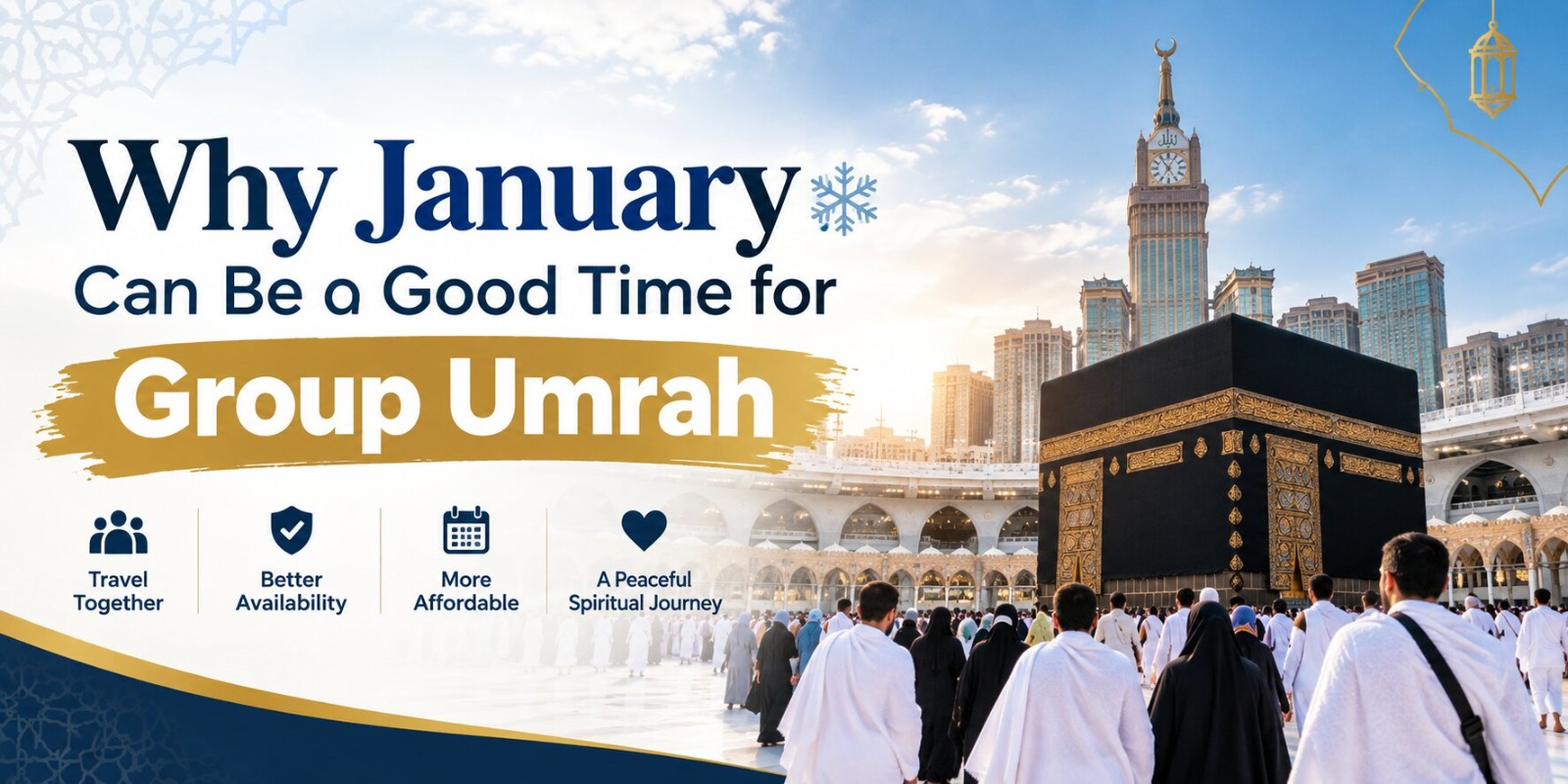
January provides cool winter temperatures ideal for walking long distances. With most holiday travellers having returned home, crowd levels drop significantly. We’ve noticed hotels are much easier to book in January, especially mid-week. Some Umrah packages may still carry inflated New Year prices. Flight costs can be slightly higher due to early-year travel demand.

February (Rajab – Sha’ban)

It is one of the quieter months of Umrah, so it is an excellent month to be a more observant Muslim. Such numbers of off-season tourists and better weather conditions make the lines for these rituals smaller. The bodies are less crowded toward these holy destinations. It’s also cheaper for UK Muslims to get their Umrah visa because the process is generally less frantic. Thus, it becomes more efficient than during those busy times like Ramadan. Operators increase prices incrementally leading up to Ramadan.

March (Sha’ban – Ramadan)

Spiritual activity accelerates in March. Preparations for Ramadan reach their climax. Makkah and Madinah mosques start to become packed with early-arriving pilgrims. Jam and rising room accommodation grow. Pilgrims wishing to experience the spiritual excitement before Ramadan but escape the debilitating heat of the holy month.

April (Ramadan – Shawwal)

Ramadhan is really the ideal time to perform Umrah for religious reasons. The Blessed Night of Islam, Laylat al-Qadr, this month, and any good deed this month is amply rewarded. For UK Muslims, however, this period can also be the busiest, with high demand for flights and accommodation, and pre-booking will be required as an attempt to cut down the expense.

May (Shawwal – Dhu al-Qa’dah)

There are fewer tourists drawn to Ramadan off-season. Flight and accommodation are again low-cost. The weather is still rising, and with Hajj ahead of us on the horizon, there is less chance to do Umrah.

June (Dhul‑Hijjah 1446)

There is an eleventh-hour arrangement made before Umrah visas are cancelled for Hajj. It may be appropriate for UK pilgrims who understand how to organise it at short notice. When sun heat and availability are concerns, June is still a problem open to those who are struggling with how to conduct Umrah when to conduct it, though heat would mean more intermissions between ceremonies.

July (Muharram 1447)

Umrah visas or Hajj month limitation, i.e., performing it in a limited environment. It gives windows of special dispensation or re-arrangement of the travel invitations. Blazing heat and restricted interaction with the balance of the pilgrims. This month is not an advisable choice for the newbie. But for the returnee or for the residence location of the destination, July can once again give a Unique spiritual experience.

August (Safar 1447)

The start of the new Hijri year brings fresh motivation. Costs remain low post-Hajj, and weather gradually improves. Daytime heat still intense; Reduced group packages available. August is among the best times to do Umrah if you’re balancing cost savings with a manageable spiritual experience.

September (Rabi‘ al‑Awwal 1447)

Pleasant temperatures and less congestion. Hotels begin preparing for autumn travellers. Price increases may begin mid-month. Much time it takes to perform Umrah during this period typically ranges from 4 to 6 hours, fulfilling a good balance of comfort and efficiency.

October (Rabi‘ al‑Thānī 1447)

Rabi al-Awwal, being the birthday of the Prophet, is spiritually gratifying to do Umrah. October is a good month for most of the UK Muslims, with fewer individuals and nice weather and an excellent time to travel, most appropriate for group and family tourists who desire convenience and spirituality. October is an excellent time to do Umrah, particularly at serene moments during Tahajjud and Fajr.

November (Jumādā al‑Ūlā 1447)

Mild weather, minimal crowds, and a serene environment for worship. Increasing foot traffic near the end of the month as winter holidays begin globally. It’s an excellent option if you’re looking for the quietest time for Umrah while still enjoying good weather.

December (Jumādā al‑Thāniyah 1447)

The weather is suitable for children during school breaks. Dry weather and conditions facilitate unobstructed movement, particularly for elderly pilgrims. It is seasonal and therefore expensive; reserve in advance. December also boasts some of the best times to perform Umrah with children and the elderly because of pleasant weather and services.

Conclusion

Choosing the ideal time of your Umrah vacation is a matter of weighing a series of criteria. These may be the Islamic calendar, climatic conditions, health, human beings, economy, and personal preference. For UK Muslims, pre-booking is easy to reap value-for-money rates and hug clear of rush hour bottlenecks. Your ideal time for Umrah is to the best of what your heart craves—peace, recompense, or family life.

How to Improve Quran Recitation Skills | Learn Quran Online with tajweed

How to Improve Your Quran Recitation Skills (Step-by-Step Guide)

How to Improve Quran Recitation Skills Learning to recite the Quran beautifully is a goal for every Muslim. Whether you are a beginner or someone looking to refine your skills, improving your recitation requires consistency, proper guidance, and a clear understanding of Tajweed rules.
Today, many students prefer to Learn Quran Online with Tajweed, making it easier to access qualified teachers and structured lessons from anywhere in the world.

In this guide, we will walk you through practical steps, expert tips, and proven methods to help you improve your Quran recitation effectively.

Why Improving Quran Recitation Matters

Reciting the Quran correctly is not just about pronunciation, it is about preserving the divine message in its original form.

Key Benefits:

  • Earn greater spiritual rewards
  • Understand the Quran more deeply
  • Build a stronger connection with Allah
  • Avoid mistakes that can change meanings

The Prophet Muhammad (PBUH) emphasized the importance of proper recitation, which makes learning Tajweed essential for every Muslim.

1. Start with the Basics of Tajweed Rules

Before focusing on fluency, you must understand the foundation of Tajweed rules.

What Are Tajweed Rules?

Tajweed refers to the set of rules that govern how each letter of the Quran should be pronounced.

Focus on:

  • Correct pronunciation (Makharij)
  • Letter characteristics (Sifaat)
  • Noon Sakinah, Meem Sakinah, and Madd rules

Without Tajweed, even fluent reading can include serious mistakes.

2. Learn from a Qualified Quran Teacher Online

Self-learning has limits. A professional teacher can correct your mistakes in real time.

Why Choose Online Quran Classes?

  • Flexible timing for global students
  • One-on-one attention
  • Access to certified teachers
  • Structured learning plans

If you are serious about mastering recitation, it’s highly recommended to Learn Quran Online with Tajweedt under expert supervision.

3. Practice Daily (Even for 15–20 Minutes)

Consistency is more important than long sessions.

Simple Routine:

  • Read 1–2 pages daily
  • Listen to a Qari and repeat
  • Note difficult words

Even short daily practice can significantly improve Quran reading over time.

4. Listen to Expert Qaris

Listening is one of the fastest ways to improve recitation.

  • Choose a well-known Qari
  • Focus on pronunciation and rhythm
  • Repeat verses multiple times

This technique helps you naturally adopt proper tone and Tajweed.

5. Focus on Slow and Accurate Recitation

Speed comes later—accuracy first.

  • Recite slowly
  • Pause at proper stops (Waqf)
  • Focus on clarity over speed

Read correctly first, then read beautifully.

6. Record and Evaluate Yourself

This is a powerful but often ignored method.

  • Identify mistakes
  • Track progress
  • Improve confidence

Try recording weekly and compare improvements.

7. Learn Step-by-Step (Especially for Beginners)

  • Start with Noorani Qaida
  • Learn basic Tajweed rules
  • Practice small Surahs
  • Gradually increase difficulty

8. Get Feedback Regularly

  • Teacher corrections
  • Peer review
  • Online Quran tutors

Feedback helps correct mistakes before they become habits.

9. Stay Consistent and Patient

  • Progress may feel slow at first
  • Mistakes are part of learning
  • Consistency always wins

Common Mistakes to Avoid

  • Ignoring Tajweed rules
  • Reading too fast
  • Not practicing regularly
  • Learning without a teacher
  • Skipping basics

Real-Life Benefits

  • More focus in Salah
  • Better understanding of verses
  • Increased confidence in recitation
  • Stronger spiritual connection

Final Thoughts

Improving your Quran recitation is one of the most rewarding journeys you can take. With the right approach, guidance, and consistency, anyone can achieve beautiful and accurate recitation.

If you want structured learning, expert guidance, and flexible timing, the best step is to Learn Quran Online with Tajweed through trusted platforms like Quran Host.

Start today, stay consistent, and experience the beauty of reciting the Quran the way it was revealed.