Category Archives: Uncategorized

Best Time to Perform Umrah: A Month-by-Month Guide

Best Time to Perform Umrah: A Month-by-Month Guide

It is very important to pick the best time for performing Umrah in an attempt to gain maximum advantage of the rich, physical, and psychic wealth of this holy pilgrimage. Weather, traffic, your personal health, and some Islamic phases are a few of the issues that could override your Umrah journey. Planning will also allow you to travel during the less crowded season so that you will have a less crowded and richer spiritual experience.

Best Time to Perform Umrah

An individual should inquire about the time to continue with the onward Umrah since no traveler will receive a similar right time for the sacred pilgrimage toward Allah’s House. It is unacceptable to some people to continue with the onward Umrah during summer, while the Saudi Arabian weather is too harsh. The off-season is more desirable to some other people to maintain the onward Umrah, either due to economics or weather. In this regard, choosing a trusted service like Bismillah Travel can help pilgrims plan their journey at the most suitable time with better comfort, guidance, and affordability.

For the majority of the UK Muslims, October Umrah deals are best, as the weather is also bearable for the time. The crowds are nil, hence convenient but spiritually fulfilling to arrange travels for.

January (Jumada al-Thani – Rajab)

January provides cool winter temperatures ideal for walking long distances. With most holiday travellers having returned home, crowd levels drop significantly. We’ve noticed hotels are much easier to book in January, especially mid-week. Some Umrah packages may still carry inflated New Year prices. Flight costs can be slightly higher due to early-year travel demand.

February (Rajab – Sha’ban)

It is one of the quieter months of Umrah, so it is an excellent month to be a more observant Muslim. Such numbers of off-season tourists and better weather conditions make the lines for these rituals smaller. The bodies are less crowded toward these holy destinations. It’s also cheaper for UK Muslims to get their Umrah visa because the process is generally less frantic. Thus, it becomes more efficient than during those busy times like Ramadan. Operators increase prices incrementally leading up to Ramadan.

March (Sha’ban – Ramadan)

Spiritual activity accelerates in March. Preparations for Ramadan reach their climax. Makkah and Madinah mosques start to become packed with early-arriving pilgrims. Jam and rising room accommodation grow. Pilgrims wishing to experience the spiritual excitement before Ramadan but escape the debilitating heat of the holy month.

April (Ramadan – Shawwal)

Ramadhan is really the ideal time to perform Umrah for religious reasons. The Blessed Night of Islam, Laylat al-Qadr, this month, and any good deed this month is amply rewarded. For UK Muslims, however, this period can also be the busiest, with high demand for flights and accommodation, and pre-booking will be required as an attempt to cut down the expense.

May (Shawwal – Dhu al-Qa’dah)

There are fewer tourists drawn to Ramadan off-season. Flight and accommodation are again low-cost. The weather is still rising, and with Hajj ahead of us on the horizon, there is less chance to do Umrah.

June (Dhul‑Hijjah 1446)

There is an eleventh-hour arrangement made before Umrah visas are cancelled for Hajj. It may be appropriate for UK pilgrims who understand how to organise it at short notice. When sun heat and availability are concerns, June is still a problem open to those who are struggling with how to conduct Umrah when to conduct it, though heat would mean more intermissions between ceremonies.

July (Muharram 1447)

Umrah visas or Hajj month limitation, i.e., performing it in a limited environment. It gives windows of special dispensation or re-arrangement of the travel invitations. Blazing heat and restricted interaction with the balance of the pilgrims. This month is not an advisable choice for the newbie. But for the returnee or for the residence location of the destination, July can once again give a Unique spiritual experience.

August (Safar 1447)

The start of the new Hijri year brings fresh motivation. Costs remain low post-Hajj, and weather gradually improves. Daytime heat still intense; Reduced group packages available. August is among the best times to do Umrah if you’re balancing cost savings with a manageable spiritual experience.

September (Rabi‘ al‑Awwal 1447)

Pleasant temperatures and less congestion. Hotels begin preparing for autumn travellers. Price increases may begin mid-month. Much time it takes to perform Umrah during this period typically ranges from 4 to 6 hours, fulfilling a good balance of comfort and efficiency.

October (Rabi‘ al‑Thānī 1447)

Rabi al-Awwal, being the birthday of the Prophet, is spiritually gratifying to do Umrah. October is a good month for most of the UK Muslims, with fewer individuals and nice weather and an excellent time to travel, most appropriate for group and family tourists who desire convenience and spirituality. October is an excellent time to do Umrah, particularly at serene moments during Tahajjud and Fajr.

November (Jumādā al‑Ūlā 1447)

Mild weather, minimal crowds, and a serene environment for worship. Increasing foot traffic near the end of the month as winter holidays begin globally. It’s an excellent option if you’re looking for the quietest time for Umrah while still enjoying good weather.

December (Jumādā al‑Thāniyah 1447)

The weather is suitable for children during school breaks. Dry weather and conditions facilitate unobstructed movement, particularly for elderly pilgrims. It is seasonal and therefore expensive; reserve in advance. December also boasts some of the best times to perform Umrah with children and the elderly because of pleasant weather and services.

Conclusion

Choosing the ideal time of your Umrah vacation is a matter of weighing a series of criteria. These may be the Islamic calendar, climatic conditions, health, human beings, economy, and personal preference. For UK Muslims, pre-booking is easy to reap value-for-money rates and hug clear of rush hour bottlenecks. Your ideal time for Umrah is to the best of what your heart craves—peace, recompense, or family life.

How to Improve Quran Recitation Skills | Learn Quran Online with tajweed

How to Improve Your Quran Recitation Skills (Step-by-Step Guide)

How to Improve Quran Recitation Skills Learning to recite the Quran beautifully is a goal for every Muslim. Whether you are a beginner or someone looking to refine your skills, improving your recitation requires consistency, proper guidance, and a clear understanding of Tajweed rules.
Today, many students prefer to Learn Quran Online with Tajweed, making it easier to access qualified teachers and structured lessons from anywhere in the world.

In this guide, we will walk you through practical steps, expert tips, and proven methods to help you improve your Quran recitation effectively.

Why Improving Quran Recitation Matters

Reciting the Quran correctly is not just about pronunciation, it is about preserving the divine message in its original form.

Key Benefits:

  • Earn greater spiritual rewards
  • Understand the Quran more deeply
  • Build a stronger connection with Allah
  • Avoid mistakes that can change meanings

The Prophet Muhammad (PBUH) emphasized the importance of proper recitation, which makes learning Tajweed essential for every Muslim.

1. Start with the Basics of Tajweed Rules

Before focusing on fluency, you must understand the foundation of Tajweed rules.

What Are Tajweed Rules?

Tajweed refers to the set of rules that govern how each letter of the Quran should be pronounced.

Focus on:

  • Correct pronunciation (Makharij)
  • Letter characteristics (Sifaat)
  • Noon Sakinah, Meem Sakinah, and Madd rules

Without Tajweed, even fluent reading can include serious mistakes.

2. Learn from a Qualified Quran Teacher Online

Self-learning has limits. A professional teacher can correct your mistakes in real time.

Why Choose Online Quran Classes?

  • Flexible timing for global students
  • One-on-one attention
  • Access to certified teachers
  • Structured learning plans

If you are serious about mastering recitation, it’s highly recommended to Learn Quran Online with Tajweedt under expert supervision.

3. Practice Daily (Even for 15–20 Minutes)

Consistency is more important than long sessions.

Simple Routine:

  • Read 1–2 pages daily
  • Listen to a Qari and repeat
  • Note difficult words

Even short daily practice can significantly improve Quran reading over time.

4. Listen to Expert Qaris

Listening is one of the fastest ways to improve recitation.

  • Choose a well-known Qari
  • Focus on pronunciation and rhythm
  • Repeat verses multiple times

This technique helps you naturally adopt proper tone and Tajweed.

5. Focus on Slow and Accurate Recitation

Speed comes later—accuracy first.

  • Recite slowly
  • Pause at proper stops (Waqf)
  • Focus on clarity over speed

Read correctly first, then read beautifully.

6. Record and Evaluate Yourself

This is a powerful but often ignored method.

  • Identify mistakes
  • Track progress
  • Improve confidence

Try recording weekly and compare improvements.

7. Learn Step-by-Step (Especially for Beginners)

  • Start with Noorani Qaida
  • Learn basic Tajweed rules
  • Practice small Surahs
  • Gradually increase difficulty

8. Get Feedback Regularly

  • Teacher corrections
  • Peer review
  • Online Quran tutors

Feedback helps correct mistakes before they become habits.

9. Stay Consistent and Patient

  • Progress may feel slow at first
  • Mistakes are part of learning
  • Consistency always wins

Common Mistakes to Avoid

  • Ignoring Tajweed rules
  • Reading too fast
  • Not practicing regularly
  • Learning without a teacher
  • Skipping basics

Real-Life Benefits

  • More focus in Salah
  • Better understanding of verses
  • Increased confidence in recitation
  • Stronger spiritual connection

Final Thoughts

Improving your Quran recitation is one of the most rewarding journeys you can take. With the right approach, guidance, and consistency, anyone can achieve beautiful and accurate recitation.

If you want structured learning, expert guidance, and flexible timing, the best step is to Learn Quran Online with Tajweed through trusted platforms like Quran Host.

Start today, stay consistent, and experience the beauty of reciting the Quran the way it was revealed.


How Busy Ladies Can Memorize Quran Easily

How Busy Ladies Can Memorize Quran Easily

A packed routine often makes Quran memorization feel out of reach. Household work, family care, and personal responsibilities can take up most of the day. Still, many women successfully memorize the Quran within these limits. The difference is not extra time. It is a smart use of time and a simple, consistent method.

This is why ladies hifz classes are structured to fit into busy schedules, focusing on short, focused sessions and consistent revision that align with daily responsibilities.

Memorizing the Quran does not require long, uninterrupted hours. It requires small, focused efforts repeated daily. When the process is designed around a busy lifestyle, memorization becomes easier and more natural.l.

Ways For Busy Ladies to Memorize the Quran Easily

Accept a Flexible but Clear Plan

A fixed yet flexible plan is the starting point. Without it, learning becomes random and slow.

Set a small daily goal that fits into the routine. This could be one or two lines only. The idea is to make the task feel light, not heavy.

Flexibility matters because daily schedules change. Some days allow more time, while others do not. A flexible plan ensures continuity even on busy days.

Why Small Time Slots Matter More Than Long Hours?

This is a key question for busy women. Waiting for a long free period often leads to delays.

Short time slots, even 10–15 minutes, can be very productive. These small sessions keep the brain fresh and focused. Over time, they add up and create strong progress.

For example, one short session in the morning and another later in the day can be more effective than a single long session that feels tiring.

Build a Simple Daily Routine

Consistency is more powerful than intensity. A simple routine helps maintain flow without stress.

Easy Daily Flow

Start with revision of the previous lesson

Add a small new portion

Repeat weak areas before ending

This pattern keeps memorization strong and reduces forgetting. It also creates a sense of structure, which makes learning easier to follow.

Use Listening as a Support Tool

Listening is one of the easiest ways to memorize, especially during a busy day.

How Listening Helps

Builds familiarity with verses

Improves pronunciation naturally

Makes memorization faster when reading later

Listening while doing light tasks, such as cooking or organizing, can turn routine time into learning time. Repeating the same verses daily strengthens memory without extra effort.

How Much Should Be Memorized Daily?

The right amount depends on available time and mental energy. Overloading slows progress, while very little reduces motivation.

Routine Type

New Memorization

Revision Time

Total Time


Very Busy Schedule

1 line

10 minutes

15 minutes


Moderate Routine

2–3 lines

15 minutes

20–25 min


Flexible Routine

3–5 lines

20 minutes

30–35 min


A balanced approach works best. Even one line daily can lead to strong results over time if done consistently.

Manage Energy, Not Just Time

Energy levels change throughout the day. Memorizing during low-energy periods often leads to slow progress.

Choose a time when the mind feels fresh. Early morning is ideal for many, but any quiet and calm moment can work.

Avoid memorizing when feeling extremely tired. Instead, use that time for light revision or listening. This keeps the connection without adding pressure.

Can Memorization Continue During Breaks?

This is a common concern. Breaks in routine can interrupt progress if not handled well.

During such times, shift focus from memorizing new verses to listening and revising old ones. This keeps memory active and prevents loss of progress.

Consistency does not mean doing everything every day. It means staying connected in some way.

Keep the Learning Environment Simple

A clean and quiet space improves focus. Distractions reduce memorization speed and increase mistakes.

Even a small corner can work if it is free from noise and interruptions. A fixed place also trains the mind to focus quickly.

Emotional environment matters as well. Encouragement and patience help build confidence, while pressure can slow down learning.

Avoid Common Mistakes That Waste Time

Many delays happen due to simple mistakes. Fixing them can speed up memorization immediately.

Common issues include skipping revision, memorizing too much at once, and ignoring pronunciation errors. These habits create confusion and weak memory.

A simple method with proper repetition and clear pronunciation always works better than a rushed approach.

Stay Motivated with Small Achievements

Motivation grows when progress is visible. Small wins create a positive learning experience.

Tracking completed lessons helps build confidence. Even a few lines memorized correctly is a meaningful step forward.

Support from family or a teacher can also improve consistency. Encouragement makes the process feel lighter and more achievable.

Final Words

Busy routines do not have to stop Quran memorization. With a clear plan, small daily efforts, and smart use of time, the process becomes manageable and effective.

Short sessions, strong revision, and consistent listening create a powerful system for learning. Over time, even small steps lead to significant progress.

For those looking for structured support, Quran Sheikh offers simple and flexible learning plans designed to help busy ladies memorize the Quran with ease and consistency.

What Is Umrah? Meaning, Importance & Rewards in Islam

Umrah‌ is a⁠ s⁠acred Is​lamic pilgrima​ge that Muslims⁠ can perform at any time of the year. Unlike Hajj, it does not have fixed dates and is easier t​o complete. Ma⁠ny Mus⁠li‌ms‌ li‍ving in the USA plan this spiritual journey with the help of‌ trusted travel services. Today, Umrah has become more accessible due to organized Umrah packages that simplify travel‍ arrangements.

⁠This art‌ic⁠le exp‍lains t‌he​ meaning of Umrah‌, its importance in Islam, and the spiritual rewards associated with it.

W‌hat Is Umrah in Isla⁠m?

Umrah⁠ is​ a voluntary pilgrimage‌ to Mak‌kah that holds great spiritual value in​ Islam. It involv⁠es specific rituals pe⁠r⁠formed i​n Masji‌d al-Ha⁠r‌am.‌

In simple terms, Umrah a‍llows Mu​slims to cleanse their hearts and renew‌ their faith. It includes enter⁠in⁠g Ihram, performing Tawaf around the Kaaba, and Sa’‍i between Safa and Marwah. Although it​ is not mandatory, many scholars encourage it due to‍ its​ immense rewards.‌

For Muslims in the USA, Umrah is often planned during holidays or off-peak seasons for convenience.​

Meaning of Umrah and Its Spiritual Purpose.‌

The word Umrah literally means “to visit a populated place.” In‍ Islamic terms, i​t refers t‍o visiting the sacred House of Allah.

Spiritually, Um‍rah represents humility, repentance, and complete submission to Allah. Pilgrims leave behind worldly distractions and‌ focus only on worship‍. This journey helps believers reconnect with their faith‌, see​k forgiveness, and strengthen‍ their relationship with Allah.

Many Muslim​s‌ choos‌e an Umrah p​ac‌kage from USA to ensure a smooth and stress-free experience.

Importance of Umrah in Isl‍am

​U‌mrah holds dee‌p imp‌o‌r‍tance because it b‌ri⁠ng‍s spiritua​l purification and inner peac‌e. While it‍ is not obligatory, its benefits are widely mentioned in Islamic teachings.

‌Performing Umarah‌ helps Muslims follow the Sunnah of the Prophet Muhammad ﷺ. It also provides an opportunity to make sincere duas in sacred places. For believer​s li​ving​ bu‍sy lives in the‌ USA‍, Umrah offers a rare chance to disconnect from routine and focus fully on spirituality.

Key Rituals Performed During⁠ Umrah

Before understandin⁠g the rewar‌ds, it‌ is import‌ant to kn‍o​w th‌e‍ basi⁠c‍ s​te⁠ps o⁠f Umrah. These rituals are simple but deeply meaningful.

Umrah begins with Ihr‍am, wh‍ich⁠ symbolize​s purity and equality. Tawaf involv‍es circ⁠li‍ng th⁠e Kaaba seven times in devotion.​ S‌a’i represents trust in Allah‍, inspired‍ by​ the story of Hajj​ar (AS). Finally, Halq or Taqsir completes the pilgrimage by cutting or trimming hair.

​Thes‍e step‍s ar‌e e‍a​sy to follow, especially with guided Umrah‌ packages all-inclusive options.

Rewards of Performing Umrah‌

The rewards of‌ Umrah are im​mense a⁠n​d clearly mentioned in Hadith. It⁠ is a source of for⁠giveness an⁠d mercy from⁠ Allah.

‍The Prophet ﷺ said that Umr‌ah removes sins‌ committed between o​ne Umrah a‌nd th‍e‍ n​e‌xt​. It a​lso b⁠rings peace of mind and spiritual clarity. Many pilgrims return with a renewed sense of purpose and faith. For Muslims in the USA, Umrah can be a life-changing experience that strengthen⁠s I‌slamic‍ id​entity.

Dif​ference Betw‌een Umra⁠h and‌ Hajj

Although both are pilgrimages, Umrah and Hajj are different in obligati​on a‌nd timing. Un⁠derstand⁠ing t‍his helps av⁠oid confusion.

Hajj is manda​tory on⁠ce in a lifetime for eligible Mus‍lims an‍d has fixed dates. Umrah, however, is voluntary and can be performed at any time. Umrah is shorter and less‌ phys⁠ically demandin​g​. Be‌cause o‍f this, many people perform Umrah multiple times, often choosing be​st Umra⁠h guides for convenience.

Why Umrah Is Easier for Muslims in the​ USA Today

In recent​ years perfor⁠mi‍ng‌ Umrah has become more accessible for Muslims living in the United States. Travel services now offer complete guidance.

F​lig‌h​ts, hotels⁠, transportation, and visas are handled through organized plans. Many‌ pilgrims prefer all-inclusive Umrah packages because they reduce stress and save time. These packages are especially helpful for first​-‍time⁠ travelers​ and elderly pilgrims.

With proper planning, Umrah‌ from the USA can be comfortable and spiritually fulfilling.

Preparing Spiritually f‍or⁠ Um​rah

Before traveling, spiritual preparation is just as important as physical⁠ planning. A sincere intention makes Umrah more meaningful.

Pilgrims should learn‌ the rituals, increase their prayers, and seek forgiveness. Reading‌ about the life of the Prophet ﷺ also helps build emotional connection​. When spiritual​ rea‌diness combi‍nes with good planning, the journey becomes more rewarding.

This preparation ensures that the blessings of Umrah last long after returning home⁠.

Conclusion​: A Journey of Faith and Renewal

Umrah is a beautiful act of worship that brings Muslims closer to Allah. I‍t offers forgiveness, peace, and‌ sp​i‍rit‌ual r⁠enewal.

For Muslims in the USA, modern travel options have made this sacred journey easier than ever. Whether performed once or multiple times, Umrah leaves a⁠ lasting impact on the heart‍. Wi‍th sincer⁠e intention and proper gu​idance,‌ this pilgr‌im‍age becomes‍ a‌ po​werful step tow‍a‍rd stron​ger f​aith and personal growth.


Master the 40 Ahadith: Unlock the Wisdom of Islamic Teachings

Master the 40 Ahadith: Unlock the Wisdom of Islamic Teachings

The 40 Ahadith Course is an essential step for spiritual development and mastering Islamic teachings. These selected Hadiths provide timeless wisdom, guiding believers in daily life, moral conduct, and ethical decision-making. Learning these Ahadith helps strengthen faith, build character, and establish a meaningful connection with Allah.

Deep Dive into 40 Ahadith: Understanding Their Meaning and Context

Studying each Hadith in detail allows a deeper understanding of its context and content. By reflecting on these teachings, learners can integrate Islamic values into practical life. Careful analysis strengthens spiritual awareness and provides clarity in following the guidance of the Prophet (PBUH).

Essential 40 Ahadith for Your Spiritual Growth and Daily Life

The 40 fundamental Hadiths serve as a guide for prayer, ethical behavior, and personal development. Applying these Ahadith daily promotes discipline, positive change, and moral growth. Regular study and reflection help enhance decision-making, relationships, and overall spiritual awareness.

Learn and Apply the 40 Ahadith: A Guide to Islamic Principles

The Learning 40 Ahadith Course teaches practical applications of Islamic principles. Each Hadith provides guidance on honesty, patience, mercy, and worship. By implementing these lessons, learners can strengthen their faith and maintain a balanced lifestyle aligned with the teachings of the Prophet (PBUH).

40 Ahadith Every Muslim Should Know: From the Prophet’s Teachings

All Muslims are encouraged to learn the forty essential Hadiths to build a strong foundation of faith. These narrations emphasize moral conduct, spiritual growth, and ethical guidance. Knowledge of these Hadiths helps believers live wisely, follow the Prophet’s example, and lead a purposeful life.

Transform Your Life with the Wisdom of 40 Ahadith

Learning and practicing these Hadiths can transform personal and spiritual life. Their guidance helps believers make ethical choices, manage challenges patiently, and grow spiritually. Incorporating these lessons into daily routines brings moral clarity, emotional balance, and a closer connection with Allah.

The Role of 40 Ahadith in Islamic Jurisprudence and Daily Practices

Ahadith play a crucial role in understanding Shariah and ethical behavior. Studying them enhances knowledge of Islamic law and ensures daily actions align with moral and spiritual principles. Integrating Hadith guidance into life strengthens social, ethical, and spiritual responsibilities.

Learn, Memorise and Apply: The 40 Ahadith

Memorizing the 40 Hadiths helps internalize their wisdom and implement them naturally in everyday life. Reflection and repetition increase understanding and encourage intentional actions. Regular practice aligns personal behavior with spiritual teachings, promoting a disciplined and ethical lifestyle.

40 Ahadith Explained: Unlock Practical Guidance from the Prophet (PBUH)

Understanding the practical guidance of the 40 Hadiths ensures meaningful application in daily life. Each Hadith provides actionable advice for prayer, character development, and interpersonal conduct. This approach converts knowledge into behavior, fostering spiritual growth, ethical awareness, and personal development.

Conclusion

The Learning 40 Ahadith Course is a complete guide for Muslims seeking spiritual growth and practical teachings. By studying, reflecting, and applying these Hadiths, learners can improve faith, moral character, and daily conduct. This course establishes a strong connection with Islamic teachings and enables a balanced, purposeful, and spiritually fulfilling life.

Start your journey today at Learning Quran Academy. Apply now to receive professional coaching, guided lessons, and personalized support to master the 40 Ahadith and implement their wisdom in everyday life. Take the first step towards spiritual growth and join a community devoted to knowledge, ethics, and faith.

Quran Learning for Kids: 15 Powerful Ways to Make It Easy and Effective

Quran Learning for Kids: 15 Powerful Ways to Make It Easy and Effective

Quran learning for kids is one of the most beautiful investments a parent can make in their child’s future. Not only does it nurture their spiritual growth, but it also helps shape their character, discipline, and understanding of the world. Many parents begin this journey early because young children are naturally curious and absorb information quickly, making Islamic education a meaningful part of their development.

At its core, the Quran is a guide filled with lessons on kindness, patience, honesty, and gratitude. When kids learn these values early, they begin to form a strong moral foundation that helps them navigate life.

The Importance of Quran Learning for Kids

During early childhood, kids begin to form habits, behaviors, and learning patterns. Introducing Quranic concepts at this stage improves memory, strengthens focus, and builds discipline. Studies in child development show that early exposure to structured learning improves academic performance later on.

Quranic stories, especially those of the prophets, offer valuable lessons about courage, compassion, and obedience to Allah. These stories help children connect with Islamic values in a relatable and enjoyable way.

Best Age to Start Quran Learning for Kids

Every child is unique, but experts generally recommend introducing light Quranic learning between ages 3 and 5. At this stage, kids can recite short phrases, memorize small surahs, and enjoy listening to stories from the Quran.

Signs Your Child Is Ready to Learn

  • Shows interest in books or religious stories
  • Can repeat words or short sentences
  • Has a basic attention span
  • Enjoys singing or reciting rhythms

When these signs appear, you can gently begin their Quran-learning journey.

15 Powerful Ways to Make Quran Learning for Kids Easy and Effective

Below is the complete list of 15 practical, child-friendly, and proven ways to make Quran learning for kids more enjoyable, consistent, and successful:

1. Start With Short, Simple Lessons

Young children learn best in small portions. Short 10-minute sessions help them stay focused without feeling overwhelmed.

2. Use Repetition to Build Memory

Daily repetition of letters, words, and short surahs strengthens long-term memorization and boosts confidence.

3. Introduce Tajweed Gradually

Don’t overload children with complex rules. Start with basic pronunciation and introduce rules slowly as they mature.

4. Make Use of Visual Learning Aids

Colorful charts, flashcards, and picture-based Noorani Qaida pages make learning letters and sounds enjoyable.

5. Incorporate Islamic Songs and Rhymes

Kids love rhythm! Soft nasheeds and Quran-themed rhymes help them associate learning with joy.

6. Create a Dedicated Learning Corner at Home

A quiet, decorated study space helps kids mentally prepare for Quran time and improves concentration.

7. Set a Daily Quran Routine

Consistency is more important than duration. A fixed daily Quran time helps build lifelong habits.

8. Use Interactive Quran Apps

Child-friendly apps with animations, games, and quizzes make learning exciting and aligned with modern learning styles.

9. Practice “Listen, Repeat, Recite” Techniques

First let the child listen, then imitate, and finally recite independently. This method boosts confidence and accuracy.

10. Include Storytelling Sessions From the Quran

Stories about the prophets spark curiosity and make children eager to learn the verses connected to those stories.

11. Celebrate Small Achievements

Reward charts, stickers, and praise make kids feel proud and motivated to continue learning.

12. Involve Parents in Daily Lessons

Children progress faster when parents listen, support, and recite with them every day.

13. Choose a Teacher Who Specializes in Teaching Kids

A patient, child-friendly teacher can make lessons smooth, positive, and stress-free.

14. Avoid Pressure and Keep the Atmosphere Positive

Kids learn best when they feel safe. Avoid scolding — instead, encourage, motivate, and guide gently.

15. Track Progress With Weekly Reviews

Weekly revisions help children avoid forgetting and strengthen their learning foundation.

Different Methods of Quran Learning for Kids

Every child learns differently, so choosing the right method for Quran learning for kids is crucial for long-term success.

1. Traditional Madrasa Learning

This structured approach provides discipline and consistent progress. Children learn recitation, memorization, and tajweed under experienced teachers.

2. Online Quran Classes for Kids

Online Quran learning has grown rapidly, offering flexibility for busy families. Platforms like Bayyinah and Quran.com (external resource) provide digital tools that make learning engaging.

3. Home-Based Quran Learning Techniques

Many families prefer teaching at home to ensure comfort and consistency. Parents can schedule daily lessons, practice letters, and review surahs together.

Apps and games that use animations, sound effects, and quizzes make learning exciting—perfect for kids who love interactive activities.

Tips to Make Quran Learning for Kids Easy and Engaging

Teaching doesn’t have to feel like a chore. Adding creativity and joy makes learning easier.

Storytelling from the Quran

Kids love stories! Tales of Prophet Musa, Nuh, Yusuf, and others can spark imagination while teaching valuable lessons.

Reward-Based Learning System

A simple reward chart encourages kids to stay motivated and consistent.

Common Challenges in Quran Learning for Kids

Some children struggle with memorization or staying focused. That’s completely normal.

How to Overcome Learning Difficulties

  • Break lessons into smaller parts
  • Use visual and auditory tools
  • Keep lessons short but consistent
  • Offer plenty of encouragement

Conclusion

Quran learning for kids is a beautiful, rewarding journey that shapes their hearts, minds, and character. With patience, the right tools, and consistent effort, every child can develop a strong connection with the Quran—one that lasts a lifetime.

Safa Marwa Distance with Kids or Family

Safa Marwa Distance with Kids or Family: Practical Tips for a Smooth Sa’ee


One of the most spiritually moving pilgrimage rituals, Sa’ee transforms pilgrims’ lives. It is a familiar ritual shared by both the obligatory pilgrimage, Hajj, and the voluntary pilgrimage, Umrah. This shows the exceptional spiritual significance of this sacred ritual. It is not only a part of Islamic history but also a source of many life lessons for the pilgrims. Also, it requires an extensive walk, which is why every pilgrim needs practical tips for a smooth Sa’ee. 

When you go for the pilgrimage with your family or with the elderly, Sa’ee not only becomes much more spiritually reviving but also practical. From planning your pace to preparing your family in advance, you will need to do everything you can to ensure the smoothest experience. If you are among the fortunate UK families looking for an Umrah package and planning to go on the pilgrimage soon, you must understand the Sa’ee and practical tips for performing it. We are here with a comprehensive guide to help you with your Sa’ee. 

What is the Safa and Marwah Distance?

As you might already know, Sa’ee is the pilgrimage ritual in which you have to walk between the two sacred hills, Safa and Marwah. The one-way distance between the two hills is around 396 metres. And you will have to make seven rounds around these two hills. When you walk from Safa to Marwah, it counts as one round, and from Marwah to Safa as the second. This way, you have to complete seven rounds. 

The total distance that you will have to cover for your Sa’ee is around 2.8–3.5 km. It takes 40 to 90 minutes to cover this distance, depending on your pace and the route you take. Pilgrims performing the ritual with their families tend to opt for a slower pace to help one another. This doesn’t affect the ritual’s spiritual essence in any way. 

What to Expect While Performing Sa’ee With Family?

If you are planning a pilgrimage with your family for the first time, you might be curious about what to expect during Sa’ee. No doubt it is one of the most spiritually uplifting rituals that gives you a chance to bond with your family and immerse yourselves in supplications together. You can also make your personal duas during this ritual. This ritual is also physically manageable and can be a lot smoother with a bit of planning beforehand. Therefore, you must not stress out about it. 

One thing to keep in mind is that Sa’ee can be tiring for the children, especially during busy hours. So, make sure you slow down and take breaks if necessary. Also, pack some nutritious snacks, water, and juice for your kids and yourself to boost your energy and hydration. If you have an elderly person with you, you can opt for the electric carts to make Sa’ee easier and less tiring for them. 

Practical Tips for Smooth Sa’ee With Family

Now that you know what to expect when performing Sa’ee with your family, it is time we share some practical tips to make your journey easier and more memorable. 

Pick the Right Time to Start

Starting at the right time can make a huge difference in how smooth your Sa’ee experience is. You can avoid heat exhaustion and large crowds by choosing a time for your Sa’ee wisely. 

Some of the best times to perform this ritual with your family include after Fajar and late in the evening after Isha. You can choose the midday only if you stay inside the AC cooling zones. Additionally, midday can be a good option if you plan to undertake your pilgrimage during the off-season, as crowds will be less of an issue at this time. 

Use the Family & Special Needs Zones

There are family-friendly and special-needs zones in the Sa’ee area to facilitate pilgrims. In the Sa’ee corridor, you will find wider walkways, escalators and lifts, wheelchair lanes, and spots dedicated to the elderly and families. Make the most of these areas as you perform the ritual with your family. 

Also, if you are performing Sa’ee with a stroller or a wheelchair, choose the upper floor for your ritual. This floor is much more spacious and will be the perfect option for you. 

Take Short Breaks Between Circuits

You don’t have to worry about competing with other pilgrims. Everyone has their own pace and stamina. As someone performing the ritual with your family, you must focus on their convenience and comfort. It is recommended that you take short breaks between circuits to avoid exhaustion. 

You can stop near the green light area, as the kids are always fascinated by it. Take this opportunity to share the story behind this area with your kids. There are also side benches on the upper floors where you can sit for a while during your breaks. 

Carry Only Essentials

As you will be walking long distances, it is vital that you only carry your essentials. Make sure that your hands are free and keep your kids close. Some essentials for a convenient experience include water bottles, a small snack bag for the kids, an Ihram-safe bag, wet wipes, tissues, and a lightweight stroller, if your kids require one. 

Don’t overpack. This will only make you carry heavy bags during your Sa’ee and tire you. Focus on light walking to make the experience smoother and more convenient. 

Final Words

Sa’ee is all about reflecting on the powerful story of Hajar and supplicating. While walking between Safa and Marwah, pilgrims realise the true strength of having complete faith in the Almighty. It teaches you patience, faith, and resilience. As you perform this Umrah ritual with your family, teach your children these values and virtues, and plan everything to ensure a smoother experience. 

Benefits of Online Hifz Classes for Ladies

Benefits of Online Hifz Classes for Ladies

Learning and memorizing the Quran is a beautiful journey, but for many ladies, finding the right time and place can be difficult. Between managing home, work, and family, attending in-person classes isn’t always easy. That’s where online Hifz classes for ladies come in — a simple and flexible way to learn from the comfort of home.

These classes allow women to connect with expert teachers, set their own pace, and stay consistent in their memorization. With just a phone or laptop, they can recite, revise, and progress steadily without any travel or time pressure. It’s a practical and peaceful way to achieve the dream of memorizing the Quran while balancing daily responsibilities.

1. Flexible timing that fits around daily routines

One of the best parts of online Hifz classes is the flexible schedule. Ladies can choose class times that match their daily routine, whether it’s early morning or late evening. There’s no pressure to rush or miss out due to household or work duties. This freedom helps them stay consistent and focused.

  • Classes can be rescheduled easily.
  • Perfect for moms, working women, or students.
  • Reduces stress of managing time between home and studies.

2. Comfort of learning from home without travel

Online classes save a lot of time and energy because there’s no need to travel anywhere. Learning from home makes memorization peaceful and distraction-free. It also keeps women safe and comfortable, especially for those who prefer privacy or live far from Islamic centers.

  • No travel costs or traffic issues.
  • Learn peacefully in your own space.
  • Great option for those living abroad or in remote areas.

3. Access to qualified female Quran teachers

Many women prefer learning from female teachers, especially in Islamic studies. Online platforms offer this opportunity easily. Female teachers guide students with patience, understanding, and encouragement. They help build confidence and ensure proper Tajweed and pronunciation.

  • Female teachers make students feel more comfortable.
  • Teachers understand how to manage a lady’s pace and routine.
  • Encourages open communication during lessons.

4. One-on-one attention for better memorization

Online Hifz programs often offer personalized classes, meaning the teacher focuses only on one student at a time. This helps improve memorization speed and accuracy. The teacher can correct mistakes instantly and adapt lessons to match the student’s learning ability.

  • Faster progress due to personal focus.
  • Mistakes are caught and corrected quickly.
  • Builds strong connection and trust between teacher and student.

5. Safe and private learning environment

Many women prefer learning in private and comfortable surroundings. Online classes offer that safety. They can attend sessions without worrying about being in a mixed environment or commuting alone. Privacy helps them focus better on memorization and recitation.

This setup also makes it easier for shy learners to speak up and ask questions confidently, which boosts their learning experience.

6. Easy progress tracking with online tools

Online Hifz platforms often have progress tracking tools to help students see how much they’ve memorized. These digital features motivate learners to stay on track. Teachers also use these tools to update revision schedules and highlight areas that need practice.

  • Helps students stay organized.
  • Keeps motivation high through visible progress.
  • Makes learning structured and consistent.

7. A consistent schedule helps maintain discipline

Having regular online sessions builds a routine, which is important for memorizing the Quran. When ladies attend classes consistently, they develop discipline and commitment. This regular practice also strengthens memory and makes revision easier over time.

  • Builds strong focus and self-control.
  • Encourages steady growth and responsibility.
  • Creates a productive daily habit for Quran learning.

8. Opportunity to connect with other motivated learners worldwide

Online Hifz classes bring together women from different countries and backgrounds. This global connection builds motivation and a sense of community. Students often share tips, experiences, and encouragement, which makes the journey more enjoyable.

  • Builds sisterhood through shared goals.
  • Encourages friendly motivation and accountability.
  • Inspires learners to stay consistent and confident.

Final Words

Online Hifz classes have truly opened new doors for ladies who wish to memorize the Quran with ease and comfort. They offer flexibility, safety, and personalized attention—everything a learner needs to stay consistent and motivated. With qualified teachers and supportive online systems, women can balance their Quran learning alongside daily responsibilities.

These classes make the journey peaceful, structured, and full of purpose. Whether at home, work, or anywhere in the world, every lady can now connect with the Quran deeply and meaningfully. It’s a smart and graceful step toward spiritual growth and lifelong connection with Allah’s words.

Umrah and the Quran: A Journey of the Heart and Soul


Umrah and the Quran: A Journey of the Heart and Soul

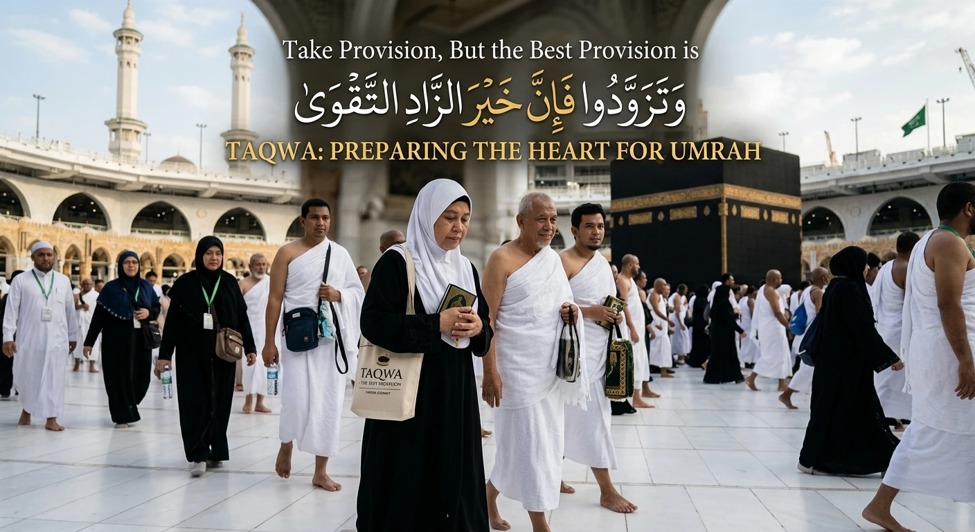
umrah Quran

Performing Umrah is one of the most spiritually high times a Muslim can have. Each year, hundreds of men and women come from all over the world to bring their faith and beliefs to life with Umrah packages 2026 bought from the best travel agencies in the USA. But even more than these plans and rituals is a deep, divine reason, a journey of the spirit and will guided by the words of the Holy Quran.

The Essence of Umrah

Umrah is a less big journey to the holy city of Makkah that can be done any time of the year. It has four main steps: get into the state of Ihram, do Tawaf around the Kaaba, go Sa’i, and cut or trim the hair. Even if it is not needed like Hajj, Umrah means a lot to the spirit and is very much told in Islam as a test of love and renewal of faith.

Umrah in the light of the Quran

The Quran asks followers to come to Allah’s House and carry out worship with hearts. In Surah Al-Baqarah (2:196), Allah tells us:

“And complete the Hajj and Umrah for Allah…”

This verse explains that both Hajj and Umrah should be performed only to thank Allah. Muslims show loyalty, respect, and an urge to get close to Allah via Umrah.

A Path To Ask For Forgiveness

The Qur’an often highlights Allah’s endless loving and soothing presence. In Surah Az-Zumar (39:53), God says:

“Say, O My servants who have transgressed against themselves, do not despair of the mercy of Allah. Indeed, Allah forgives all sins.”

When we do Umrah, every prayer, cry, and step near the Kaaba is an act of asking Him to forgive us and forgive us. The Umrah rituals allow us to wipe clean our past wrongs; become new, and deal more closely with God in a way that is very real and full of devotion.

The Spiritual Meaning of Tawaf

Tawaf, the act of rounding the Kaaba seven times, tells how much one needs Allah. The Kaaba stands for the heart of the earth and unity for all Muslims. As people walk around it, they think of something from Surah Al-Imran (3:96):

“Indeed, the first House [of worship] established for mankind was that at Makkah – blessed and a guidance for the worlds.”

Tawaf shows how to give up one’s love to the will of Allah, so it can take over the spiritual peace and guide.

Sa’i Between Safa and Marwah

During Umrah, pilgrims walk seven times for Sai. The Quran honors this act in Surah Al-Baqarah (2:158):

“Indeed, Safa and Marwah are among the symbols of Allah…”

This walk shows hope, fight, and firm belief in Allah’s mercy. It teaches us that real faith is faith in Allah even in the hardest times.

Choosing the best Umrah packages 2026

Many believers pick umrah packages 2026 from the best travel agencies in the USA as they want to make the trip safe and full of old faith. These groups have the flights, the hotels near Haram, help getting the visa, and often give tours. Picking the best travel agency makes you feel good, and so you can focus on prayer without worry about the other parts. A good group will also teach the new pilgrims about all the steps and what they mean for each step in the trip.

Getting ready in heart and soul for Umrah

While the packing and planning are needed, it is very important to get ready in heart. Reading the Quran, asking to be forgiven, and having good hopes are part of laying the full and proper old faith on Umrah. The Quran has a fast way to say this in Surah Al-Ankabut (29:69):

“And those who try their best for us – We will definitely help them go our way. And indeed, Allah is with those who do well.”

Conclusion

Umrah is not just a trip to Makkah; it’s a trip for us. It’s when the heart is turned all the way to Allah, asking for mercy, pardon, and peace. The Quran shines a light on this path. As Muslims plan for Umrah packages 2026, people should see that it is not only the travel plans and traditions it is really about extending yourself to Allah in a way that lasts forever.

General Knowledge from the Quran


Unlocking General Knowledge from the Quran

By AlQuranStudy.com

The Quran is not just a book of spiritual guidance; it is also a remarkable source of general knowledge. From the creation of the universe to principles of ethics, history, science, and human development — the Quran offers timeless insights.

1. Scientific Facts in the Quran

Long before modern science, the Quran mentioned facts about embryology, the expansion of the universe, the water cycle, and the orbits of celestial bodies. These verses continue to amaze scientists and scholars today.

2. Historical Narratives

The stories of prophets like Musa (AS), Yusuf (AS), and Nuh (AS) provide deep historical context and lessons in leadership, patience, and faith.

3. Ethical and Social Teachings

The Quran promotes justice, honesty, charity, and compassion — principles crucial to a strong and healthy society. It also addresses economic fairness and family structure.

4. Natural Phenomena

From mountains to oceans, animals to plants, the Quran invites reflection on the signs of nature, encouraging curiosity and learning.

5. Motivation for Lifelong Learning

The very first revelation — “Read!” — highlights the importance of knowledge and education. The Quran encourages believers to seek knowledge in all forms.


To study the Quran with understanding and personal guidance, join our online Quran classes today.

Sign up now for 3 FREE trial classes:
alquranstudy.com/registration

“`