Learn Quran Online: Easy & Flexible Classes for All Ages

Learn Quran Online with Simple Steps

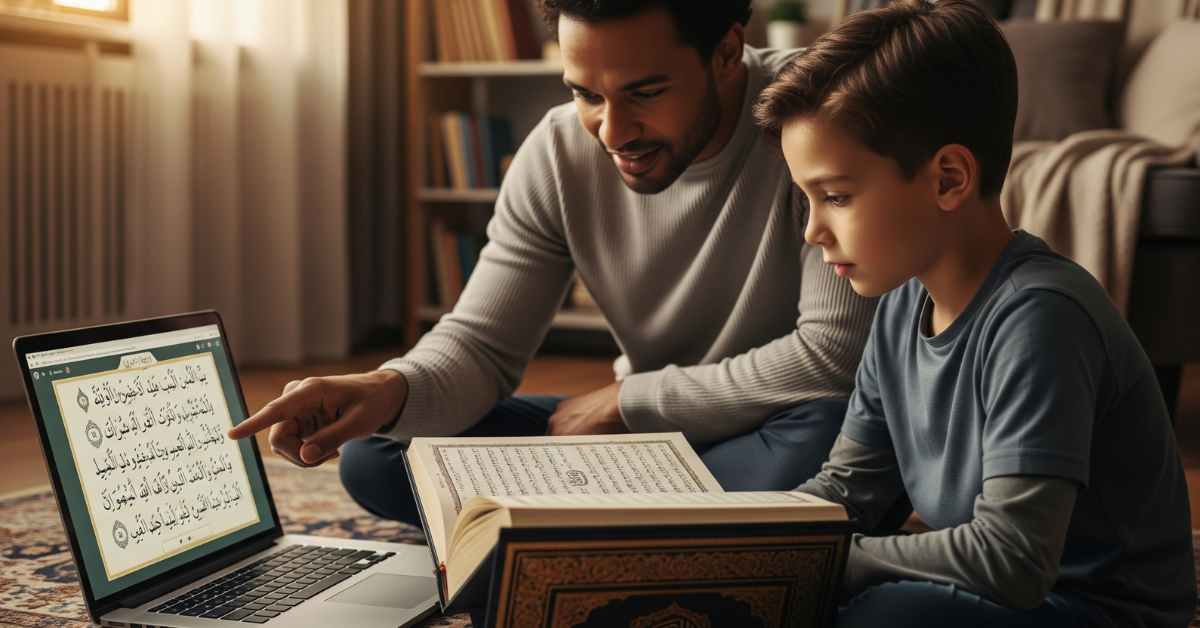
You can study the Quran entirely online from somewhere very cozy these days, which is actually amazing. Families no longer need to drive miles or change their daily schedules just to get good Quran education. They can just find great teachers on safe platforms straight from home.

Online Quran classes have blown up in recent years because they’re adaptable, affordable, and easy to access for kids, teens, and adults. If you lead a busy life or you live in an area where Quran tutors are hard to find, this is an ideal way of getting connected to the Book of Allah. This article’s gonna break down why learn Quran online has become so trendy and how you can gain from it.

Why Choose Online Quran Learning?

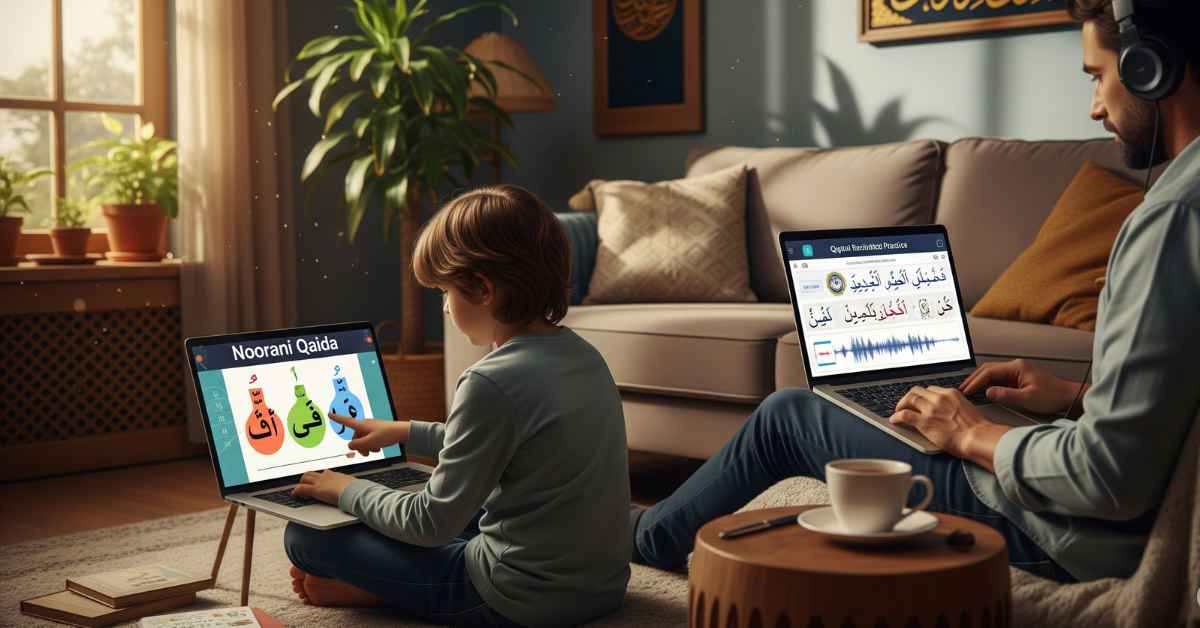
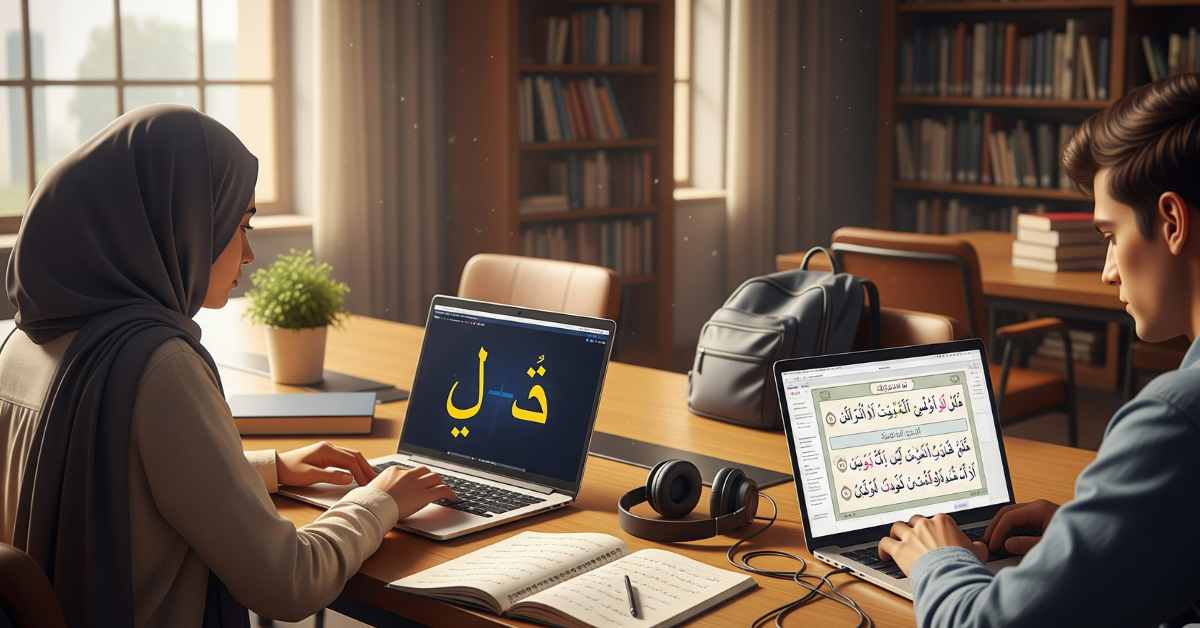
One of the main reasons people prefer to learn Quran online is convenience. You can study from your living room without worrying about travel or time restrictions. Whether you are a student, a parent, or a professional, online classes adjust to your daily routine.

Another strong reason is access to experienced teachers worldwide. Many students live in areas where qualified Quran teachers are limited. Through online platforms, they can connect with certified tutors, both male and female, who are experts in tajweed, tafseer, and memorization. This global access ensures that every learner finds the right teacher for their needs.


Key Features of Online Quran Classes

When you choose to learn Quran online, the features offered are designed to make learning interactive and simple. One major feature is the option of one-on-one classes. This gives full attention to the learner and allows the teacher to focus on strengths and weaknesses.

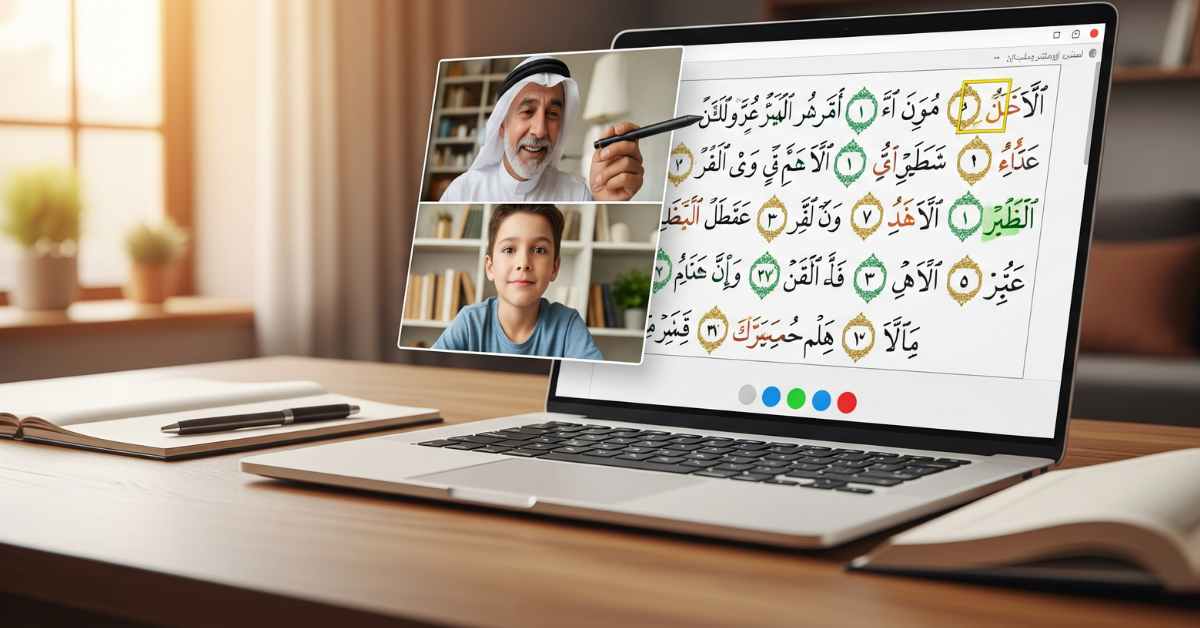
Many academies also use modern tools like screen sharing, whiteboards, and voice or video instructions. Trial classes are often available before enrollment, so students can test the quality of teaching. Parents also prefer academies that allow progress reports to track a child’s journey.


Quran Learning Options for Different Age Groups

Children often need creative teaching methods. Online Quran teachers use simple stories, visuals, and repetition to help children enjoy learning. These methods keep kids motivated and improve memorization step by step.

Teenagers and adults have different needs. Teenagers usually follow structured plans for tajweed, tafseer, and memorization. Adults, on the other hand, may need flexible lessons depending on their prior knowledge. Beginners can start from basic recitation, while advanced learners can focus on tafseer and memorization goals.


Benefits of Learning Quran Online

There are countless benefits when you choose to learn Quran online. The first is saving time and travel costs. Many parents do not have to worry about arranging transport for children or adjusting busy work schedules.

Another benefit is personalized attention. In traditional classes, one teacher may handle many students at once. Online classes allow the teacher to focus on a single student, which improves confidence and fluency in recitation. This style of learning builds discipline and ensures students remain consistent.


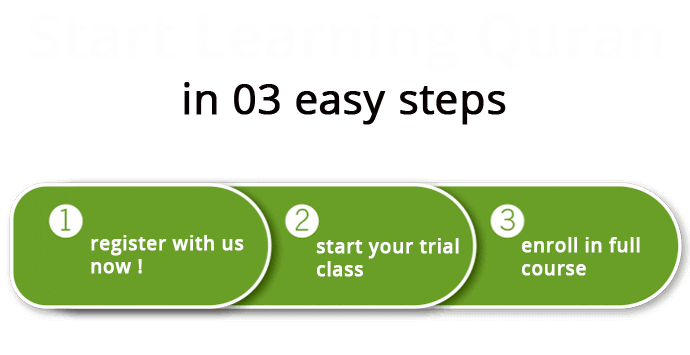
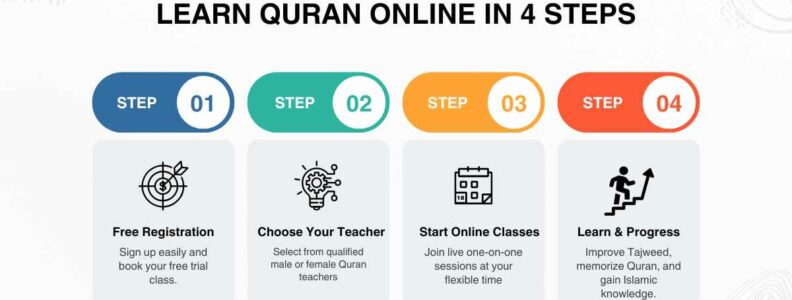
How to Start Learning Quran Online (Step-by-Step)

To begin, you need to research and select a trusted online Quran platform. Always check reviews, credibility, and qualifications of teachers before joining. Once you choose a platform, most academies provide a free trial class to help you decide if the teacher is right for you.

After trial lessons, you can select a plan according to your goals and schedule. A basic technical setup is needed, including headphones, stable internet, and sometimes mobile apps. Finally, students receive a roadmap with a structured learning plan, which can include tajweed, tafseer, or memorization.


Tips for Effective Online Quran Learning

Learning the Quran requires focus and routine. The best way to improve is to create a distraction-free study space. This allows learners to listen and repeat without interruptions.

Revision is another key factor. Reading the Quran daily, even for a few minutes, improves memory. Parents should also monitor children’s lessons to ensure consistency. By setting fixed times, students are more likely to remain regular in their online Quran classes.


Challenges of Online Quran Classes and Their Solutions

Some students worry about internet issues during online sessions. This can be managed by using backup devices or switching to apps that work well with low bandwidth.

Another challenge is motivation. It is easy to lose focus at home compared to a physical class. The solution is to set small, achievable goals and celebrate progress. Time zone differences with tutors can also be solved by choosing flexible schedules offered by most academies.


Online vs. Traditional Quran Classes: A Clear Comparison

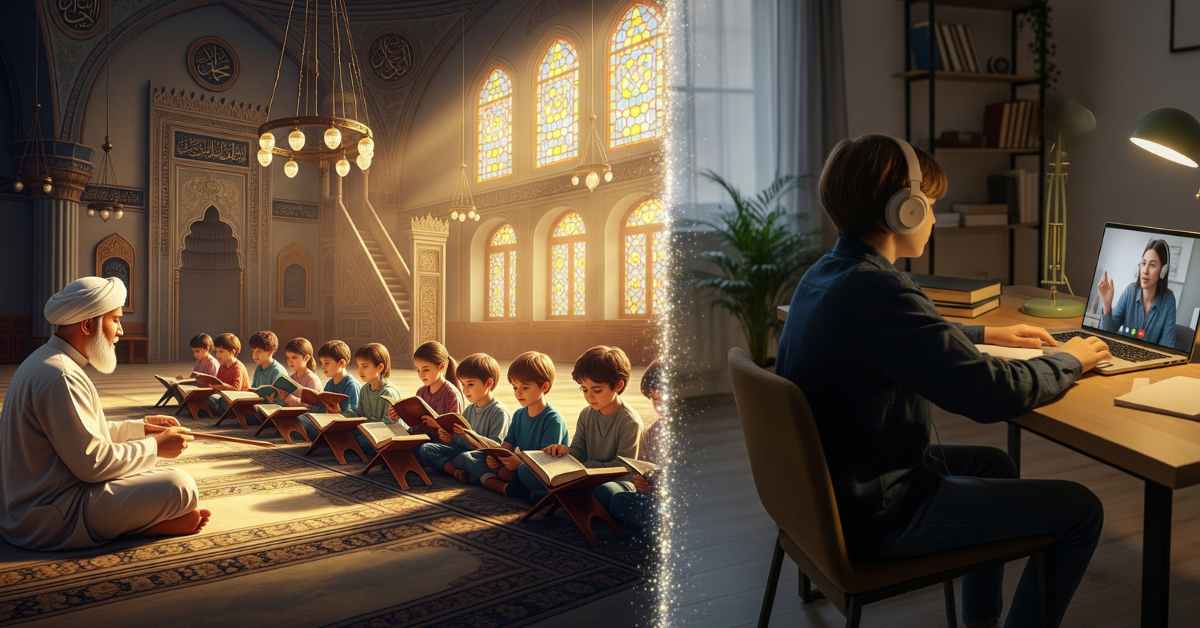
The debate of learn Quran online versus traditional classes is common. Each has pros and cons, but online classes offer flexibility that traditional classes cannot match.

Here is a table to explain the differences clearly:

Aspect Online Quran Classes Traditional Quran Classes
Flexibility High, choose your time Fixed schedules
Teacher Availability Global access Limited local teachers
Learning Pace Personalized Standardized for all
Cost Usually affordable Varies, often higher


How to Choose the Right Online Quran Academy

Selecting the right academy is an important step when you want to learn Quran online. Always look for accreditation and credibility of the platform. An academy with certified teachers and proper ijazah is more reliable.

Another point is transparency in pricing and clear communication. Good academies offer student support, progress reports, and flexible learning plans. Checking reviews and testimonials from current students also helps in making the right choice.


Case Studies: Real-Life Success Stories

Many families have seen positive results with online Quran learning. One case is a child from the UK who struggled with tajweed. After six months of one-on-one classes, his confidence in recitation grew, and he began leading small prayers at home.

Another case is a busy professional from the US. She found it difficult to attend local classes due to work. Through online learning, she completed the entire Quran recitation with tajweed in under two years. These examples show that online Quran classes suit people with different needs and schedules.


 Additional Knowledge

Types of Quran Courses Offered Online

Course Type Description
Basic Qaida For beginners to learn letters and pronunciation
Tajweed Course Focused on correct recitation rules
Hifz (Memorization) Step-by-step memorization of Quran
Tafseer Classes Understanding the meaning and context

Tools Used in Online Quran Learning

Tool Purpose
Zoom/Skype Video and audio learning
Whiteboard Apps Writing and tajweed practice
Screen Sharing Teacher shares Quranic text
Recordings Students revise lessons anytime

Comparison of Online Quran Academies

Feature Academy A Academy B Academy C
Male & Female Teachers Yes Yes Limited
Free Trial Classes Available Yes No
Progress Reports Yes Sometimes No
24/7 Support Yes Limited No


Role of Parents in Online Quran Learning

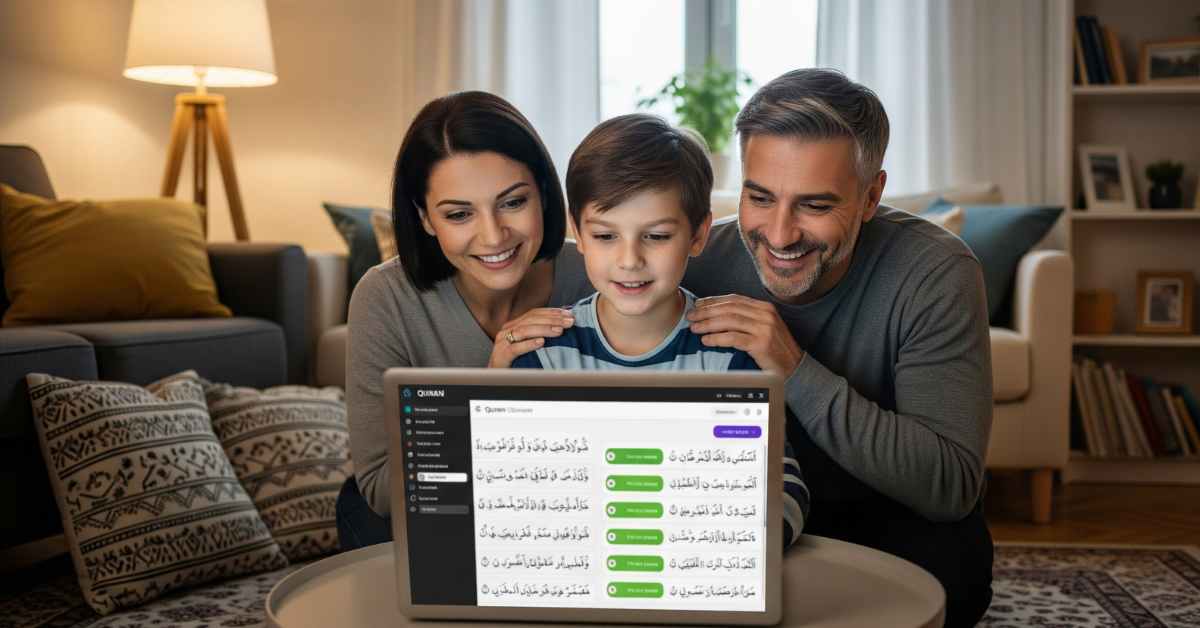
Parents play an important role in helping children learn Quran online. They need to make sure that kids attend lessons on time and revise what they learned. Small encouragement and appreciation keep children motivated.

Monitoring progress is also essential. Parents can speak with tutors regularly to understand strengths and weaknesses. This teamwork between teachers and parents ensures steady improvement in Quran recitation and memorization.


Technology’s Impact on Quran Learning

Technology has made it possible for millions of Muslims to learn Quran online without leaving their homes. With video calls, apps, and recordings, students can repeat lessons anytime and anywhere.

It also allows teachers to use modern methods, like digital whiteboards, which make lessons interactive. This improves both tajweed and memorization for students of all ages.

Cost of Learning Quran Online

One big advantage of online Quran classes is affordability. Families save money on travel, books, and extra expenses since everything is available digitally.

Most academies offer different packages, so learners can select what fits their budget. Compared to traditional madrasa fees, online classes are often more flexible and cost-effective.

Importance of Tajweed in Online Learning

Tajweed is the foundation of proper Quran recitation. Online Quran teachers focus strongly on tajweed rules to make sure students pronounce every letter correctly.

With one-on-one lessons, teachers can correct mistakes instantly. This personal guidance helps learners read with confidence and beauty, exactly as the Quran was revealed.


FAQs

Is it safe to learn Quran online for children?

Yes, most platforms provide safe and monitored environments. Parents can join classes or track lessons easily.

How long does it take to memorize the Quran online?

It depends on the learner’s pace and consistency. On average, it can take three to five years with daily lessons.

Can adults start Quran learning online from basics?

Yes, adults can begin from basic Qaida and tajweed. Online classes are flexible for beginners and advanced learners.

Do I need high internet speed for online Quran classes?

A stable internet connection is recommended, but many platforms work well even with low bandwidth.

Are female teachers available for sisters and children?

Yes, most academies provide certified female tutors for sisters and younger learners who prefer female guidance.

Conclusion

The choice to learn Quran online is becoming more common because it fits into modern life. With flexible schedules, access to expert tutors, and personal learning styles, students of all ages can benefit. Families save time, learners gain confidence, and the Quran becomes easier to understand. Taking a free trial is the first step. Whether you are a child, a teenager, or an adult, connecting with the Quran has never been simpler.


Online Quran Classes – Learn Quran from Home

Online Quran Classes have revolutionized the whole process of learning the Holy Quran. Now you can learn the Quran at home on a laptop or a mobile phone. It has become highly popular because individuals do not have convenient access to time. It also suits individuals who are unable to acquire a local teacher. 

The majority of families in the Western world are reliant on such classes to educate their kids. The best part is that lessons are not rigid. You can select the time that is convenient for you. Learning at home is safe, confidential, and affordable. Online learning of the Quran is now one of the fastest-growing methods of engaging with the Quran.

What Are Online Quran Classes?

What Are Online Quran Classes

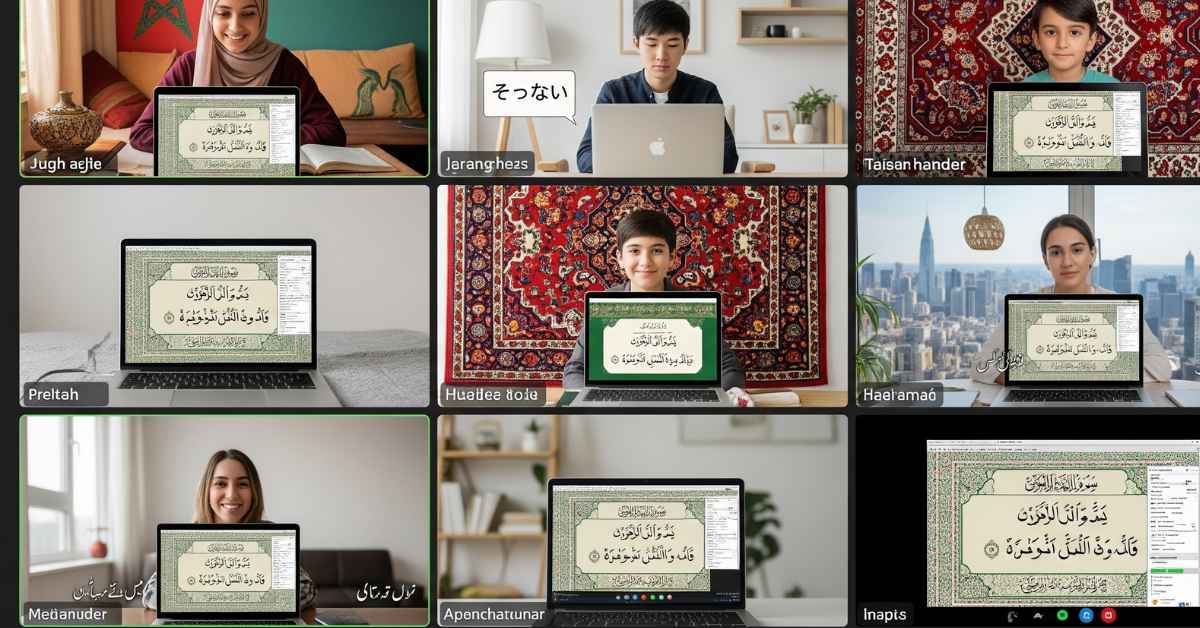
Online Quran Classes are virtual lessons where students connect with teachers through video calls. These classes use tools like Zoom, Skype, or special apps. Instead of traveling to a mosque or madrasa, you can join from home. Classes may be one-on-one, where the teacher focuses only on you, or group classes with other students.

Unlike traditional learning, online classes offer flexible schedules. Students can select the teacher they want, and lessons are often recorded for later revision. This method is especially useful for families who live in areas with no access to qualified Quran teachers.

Importance of Learning Quran Online Today

Importance of Learning Quran Online Today

Learning the Quran online is important in today’s fast world. Many parents have busy work routines, and children have school commitments. Online Quran learning gives families the chance to balance both.

It also helps Muslims in countries where Quran teachers are hard to find. For example, many Muslims in Europe and America do not have madrasa facilities near them. Online classes fill this gap. They provide access to scholars from different parts of the world.

Benefits of Online Quran Classes

Benefits of Online Quran Classes

Online Quran Classes come with many advantages. Students can study anytime, which makes learning more comfortable. People can join lessons after work, before school, or on weekends. Teachers are available across different time zones, so scheduling is never a problem.

Another benefit is cost. Traditional academies can be expensive. Online programs are usually cheaper. Families also save money on travel. Learning from home is safe for children because parents can monitor every class.

Who Can Join Online Quran Classes?

Who Can Join Online Quran Classes?

Anyone can join online Quran programs. Children can start with Noorani Qaida, which is the basic foundation. Adults can improve recitation or tajweed at any stage of life.

New Muslims who want to learn from scratch can also join. Families living in non-Muslim countries find this especially helpful. They may not have teachers nearby, but with online platforms, they can start learning immediately.

Types of Online Quran Courses

Types of Online Quran Courses

There are many types of online Quran courses. Some focus on Qaida, which teaches Arabic letters and sounds. Others teach Tajweed, which is correct recitation.

Advanced courses include Hifz programs for memorization. There are also Tafseer classes for those who want deeper understanding. Adults can also take refresher programs to improve their recitation.

Common Online Quran Courses

Course Type Focus Area Best For
Noorani Qaida Basics of Arabic letters Kids and beginners
Tajweed Classes Correct pronunciation Students of all levels
Hifz Program Memorization of the Quran Children and adults with goals
Tafseer Studies Meaning and explanation Advanced learners
Refresher Courses Recitation improvement Adults returning to study

Teaching Methods in Online Quran Classes

Teaching Methods in Online Quran Classes

Teachers use different methods to make learning effective. Many use live video calls where students read directly to them. Digital whiteboards and screen sharing help show letters and rules clearly.

Some academies offer progress reports and regular tests. Others provide recordings so students can review lessons later. Teachers often combine one-on-one attention with practice assignments. This makes online learning as strong as traditional methods.

How to Choose the Right Online Quran Academy

Choosing the right academy is very important. Families should check if the teachers are qualified. Many parents ask about experience, language skills, and Islamic studies background.

Choosing the right academy is very important. Families should check if the teachers are qualified. Many parents ask about experience, language skills, and Islamic studies background.

Reading reviews and taking trial classes is also helpful. Pricing is another factor, but quality should come first. Parents must ensure the platform is safe and provides reliable support for children.

Factors to Consider When Choosing an Academy

Factor Why It Matters Example Tip
Teacher Qualifications Ensures correct tajweed and teaching Ask for certifications
Reviews & Ratings Shows trust of other families Check on Google or websites
Pricing Must fit budget but not compromise Compare 2–3 academies
Trial Classes Helps test teaching style Take at least one free session
Safety Measures Protects children during lessons Look for parent monitoring option

Challenges of Online Quran Learning

Challenges of Online Quran Learning

While online Quran classes are useful, they also bring some challenges. A common issue is internet problems. Poor connectivity can interrupt lessons and make it hard for kids to focus.

Another challenge is discipline. At home, children may get distracted. Unlike a madrasa, there are no classmates to motivate them. Parents need to play a role in keeping kids engaged.

Tips for Success in Online Quran Classes

Tips for Success in Online Quran Classes

Success in online learning requires planning. Students should create a quiet study space at home. A fixed time every day makes learning more effective.

Parents can help younger kids by sitting with them during lessons. Daily practice is also important. Reviewing recordings and notes helps students improve quickly.

Case Studies & Success Stories

Case Studies & Success Stories

Many families share success stories of online Quran learning. For example, a family in Canada helped their 10-year-old son complete Noorani Qaida in just four months. He later joined a Hifz program and memorized three parts of the Quran.

Another case is a new Muslim in the UK who had no local teachers. She joined an online class and learned to recite Surah Yaseen within weeks. These examples show that online learning can bring life-changing results.

Future of Online Quran Learning

Future of Online Quran Learning

The future of online Quran classes looks bright. New technologies like AI tutors and apps are making learning more interactive. Gamification is also being added, where children earn rewards for progress.

More academies are now offering certified courses. This makes online Quran education more trustworthy. In the future, we may see a blend of traditional madrasa learning with digital platforms.

The Future of Online Quran Learning

Trend Impact Example Use
AI Quran Tutors Personalized learning experiences Correct tajweed feedback instantly
Mobile Apps Easier access anytime Learning on smartphones
Gamification Makes learning fun for children Points and rewards for recitation
Certified Programs Builds trust and recognition Official academy certificates
Hybrid Systems Mix of madrasa and online learning Weekend madrasa + online support


Role of Parents in Online Quran Classes

Role of Parents in Online Quran Classes

Parents are the backbone of a child’s success in Online Quran Classes. Young children often struggle with focus, so having parents beside them makes lessons smoother. Guidance at home builds discipline and a love for learning.

Parents also make sure lessons are practiced daily. By checking recitation, staying in touch with teachers, and giving encouragement, they help their children grow stronger in their Quran journey.

Comparison Between Traditional Learning and Online Quran Classes

Comparison Between Traditional Learning and Online Quran Classes

Traditional madrasa learning involves large groups and fixed schedules. While it offers community, many students receive less personal attention.

Online Quran Classes are more flexible and student-focused. With one-on-one teaching, learners progress faster. They can also choose timings that fit their busy routines, which is not possible in most traditional settings

Languages Offered in Online Quran Classes

Languages Offered in Online Quran Classes

A big advantage of Online Quran Classes is that they are taught in many languages. Students can learn in English, Urdu, Arabic, or other languages depending on their comfort.

This choice helps learners understand both recitation and meanings better. For example, non-Arabic speakers in Europe often prefer English-speaking teachers, while others may choose Arabic instructors for deeper studies.

Certification and Recognition in Online Quran Classes

Certification and Recognition in Online Quran Classes

Many academies now provide certificates for students who complete different levels of Online Quran Classes. These include Tajweed courses, Qaida completion, or even Hifz programs.

Certificates are important because they give students proof of achievement. Some academies also partner with Islamic organizations to issue recognized certificates, making online Quran learning more trusted worldwide.

FAQs About Online Quran Classes

Are online Quran classes effective for children?

Yes, online Quran classes are very effective for children. With parental support and a good teacher, kids learn quickly.

How much do online Quran classes cost?

The cost depends on the academy and teacher. Most charge between $30 to $70 per month for regular lessons.

Can adults start online Quran learning from zero?

 Yes, many adults begin from Noorani Qaida. Teachers guide step by step until they improve.

Do online Quran classes offer female teachers?

 Yes, many academies provide female teachers for women and girls who prefer female instructors.

Are classes flexible with timings?

Yes, most programs let you choose the time that suits your schedule.

Conclusion

Online Quran Classes give Muslims a safe and flexible way to learn Quran from home. They are helpful for kids, adults, and new Muslims. Lessons are easy to schedule, and qualified teachers are available worldwide. Online learning removes barriers of distance and time.The system is not perfect, but with discipline and proper guidance, students succeed. Families across the globe are already using this method. Online Quran learning is the future, and it is growing every day.


Who Wrote the Quran? The Islamic Perspective

Who Wrote the Quran? The Islamic Perspective is one of those questions so many people have about Islam. For Muslims, it’s very simple. They don’t believe that a human wrote the Quran. Rather, it’s considered the literal word of Allah, communicated to the Prophet Muhammad through Angel Gabriel.

 To get this in full, you gotta read up on the history, how the revelations were carried out, and how the book has remained intact for over fourteen centuries. In this article, we’ll explore the story of the Quran, dispel some myths, and shed light on how important it is to Muslims around the world.

What is the Quran?

The Quran is the holy book of Islam. Muslims believe it is the last and final revelation of God’s words. It is written in Arabic and contains 114 chapters called surahs. Each surah is made up of verses known as ayahs. Unlike other texts, Muslims believe the Quran is timeless, perfect, and beyond human authorship.

The Quran is different from the Hadith. The Hadith is a record of the sayings and actions of the Prophet Muhammad. The Quran, on the other hand, is divine scripture. It is seen as a guide for humanity, covering matters of worship, law, morality, and life after death.

The Islamic Belief on the Origin of the Quran

Muslims believe the Quran came directly from Allah. It was not created by the Prophet Muhammad or any scholar. In fact, the Prophet himself was known to be unlettered, meaning he could not read or write. This belief strengthens the argument that the Quran could not have been authored by him.

According to Islamic teachings, the Quran was revealed over 23 years through Angel Gabriel. The Prophet Muhammad acted only as a messenger who received and passed on the revelation without change. Muslims see this as proof that the Quran is divine, not human-made.

The Revelation Process

The revelation of the Quran began in 610 CE. Prophet Muhammad was meditating in the Cave of Hira near Makkah. The first verses revealed were from Surah Al-Alaq, commanding him to “Read.” This marked the beginning of a life-long mission to spread the message of Islam.

The Quran was revealed in stages. Some verses dealt with faith and morality. Others addressed social justice, family laws, or community guidance. This gradual revelation helped people absorb and apply the teachings in their lives.

Preservation of the Quran

From the start, the Quran was memorized by the companions of the Prophet. These memorizers were known as Huffaz. Oral tradition was strong in Arab culture, and memorization ensured that no words were lost.

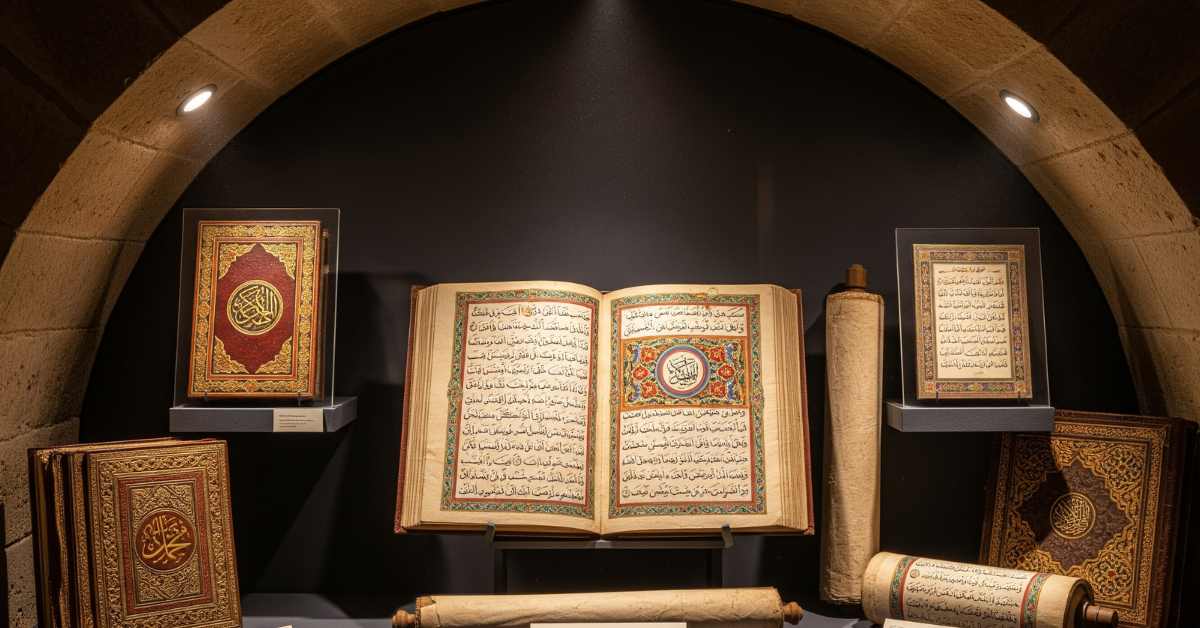
At the same time, verses were written on parchment, leather, and bones. After the Prophet’s death, the Caliphs Abu Bakr and later Uthman gathered the Quran into one complete book. Uthman made copies and sent them across the Muslim world. Today, all Qurans are identical, showing no change in the text.

Timeline of Quran Preservation

Stage Method Key Person
During Prophet’s life Oral memorization + writing on materials Companions
After Prophet’s death Compilation into one book Caliph Abu Bakr
Standardization Distribution of copies Caliph Uthman

Evidence Supporting the Islamic Claim

Muslims point to many forms of evidence to support the divine origin of the Quran. One of the strongest is historical. Ancient manuscripts such as the Birmingham Quran manuscript, carbon-dated to the 7th century, confirm the text matches today’s Quran.

Another piece of evidence is linguistic. The Quran’s style is unique and unmatched in Arabic literature. Scholars note that no poet or writer has been able to imitate its language or rhythm. This literary miracle is often seen as proof of its divine origin.

Types of Evidence

Evidence Type Example
Historical Birmingham Manuscript
Linguistic Inimitable Arabic style
Prophecies Events later fulfilled
Scientific Natural phenomena described

Addressing Common Misconceptions

Some argue that Prophet Muhammad himself wrote the Quran. However, this is rejected in Islam. The Prophet was not trained in writing. Also, the depth of knowledge in the Quran goes beyond what was known in Arabia at the time.

Others claim that the Quran was copied from the Bible or Torah. Muslims reject this, pointing out major differences in stories and themes. For example, while the Bible describes prophets in sinful ways, the Quran presents them as role models of faith. This difference shows originality, not imitation.

The Quran’s Role in Muslim Life

The Quran is not only a book of history but a living guide. Muslims recite its verses daily in prayers. They also study its meanings to apply its wisdom in family, work, and society. For believers, it shapes every part of life.

It also serves as a legal foundation. Islamic law, known as Shariah, comes partly from the Quran. Rules about marriage, trade, justice, and morality are all rooted in its verses. This makes the Quran central to both personal faith and community life.

Role of Quran in Muslim Life

Role Example
Worship Daily recitation in Salah
Law Basis of Shariah rulings
Morality Guidance on honesty, charity
Community Unity and shared values

The Quran’s Challenge to Humanity

The Quran makes a bold challenge to all people. It asks them to create even one chapter like it if they believe it was written by a human. This challenge has stood for more than 1400 years without success. Many poets and writers tried in early Islamic history, but none could match its style, depth, or impact.

This challenge is not only about words. It is also about wisdom, law, and guidance. The Quran speaks on faith, justice, and human nature in ways unmatched by other texts. For Muslims, this is clear proof that no man wrote the Quran.

The Quran and Historical Accuracy

The Quran speaks about past nations such as the people of Pharaoh, Aad, and Thamud. Later archaeological findings confirmed details that were unknown in Arabia at the time. For example, the Quran mentions Pharaoh’s body being preserved, and today, mummified remains are displayed in museums.

This accuracy adds weight to the claim that the Quran came from a divine source. If the Prophet Muhammad had written it, he could not have known such details. For Muslims, this harmony between history and revelation is evidence of its authenticity.

Scientific Hints in the Quran

The Quran contains verses about the natural world. It mentions the stages of human embryo development, the expanding universe, and the barrier between fresh and salt water. These are topics science only explained many centuries later.

Muslims believe these verses show that the Quran could not have come from human knowledge in the 7th century. While the Quran is not a science book, its accurate hints about nature strengthen the belief that it is the word of God.

The Quran’s Impact on Arabic Language

The Quran transformed the Arabic language. Before its revelation, Arabic poetry was admired for beauty and power. Yet, when the Quran was recited, even the best poets admitted it was beyond comparison. Its style introduced new expressions and set a standard that reshaped the language.

Today, classical Arabic is preserved mainly because of the Quran. Scholars, writers, and even non-Muslims agree that no other book has had such a lasting influence on one language. For Muslims, this is another sign of its divine origin.

The Quran’s Preservation Compared to Other Scriptures

When comparing scriptures, the Quran stands out for its preservation. The Bible, for example, exists in many versions, with differences between manuscripts. The Torah also faced changes over centuries. But the Quran, according to Muslims, has one unchanged text since its revelation.

Manuscripts from the first century of Islam confirm this. Modern copies match perfectly with those early texts. This consistency is rare in ancient writings and is used by Muslims as proof that the Quran could not have been altered by humans.

The Quran’s Role in Shaping Civilization

The Quran did not remain only a spiritual guide. It inspired entire civilizations. Its teachings shaped the laws, education, and culture of Muslim societies. Universities like Al-Qarawiyyin in Morocco, founded in the 9th century, grew from the Quranic focus on learning.

Science, mathematics, and medicine in the Islamic Golden Age were also influenced by Quranic encouragement to seek knowledge. For Muslims, this impact shows that the Quran’s wisdom extends far beyond personal faith into global human progress.

FAQs

Did Prophet Muhammad write the Quran?

No. Muslims believe he only delivered what was revealed to him by Allah through Angel Gabriel.

Has the Quran ever been changed?

No. From its revelation to today, the Quran has remained identical in wording across the world.

How was the Quran first recorded?

It was memorized by companions and written on parchment, stones, and bones before being compiled.

Is the Quran similar to the Bible?

Both share some prophets and stories, but the Quran has a unique style and different teachings.

Why is the Quran important for Muslims?

It guides prayer, law, morality, and daily life. It is seen as a source of wisdom and connection with God.


Conclusion

The question Who Wrote the Quran? The Islamic Perspective has one answer in Islam. The Quran is the eternal word of Allah, sent through Angel Gabriel to Prophet Muhammad. It was preserved by memorization, writing, and careful compilation. Historical manuscripts, linguistic uniqueness, and unchanged preservation all confirm this claim. For Muslims, the Quran is more than a book. It is a guide for life, worship, and morality. Fourteen centuries later, it remains the same, proving its place as a divine and universal message.


Best Online Quran Classes for Kids in 2025 – Complete Comparison Guide

Finding the best online Quran classes for kids in 2025 is essential for Muslim families seeking flexible, engaging, and quality Islamic education. Thankfully, many platforms now offer personalized Quran learning for children from the comfort of home. In this guide, we compare top options, explain what to look for, and help you start with a free trial Quran class today.

Continue reading

Benefits of Online Quran Classes for Kids

Benefits of Online Quran Classes for Kids

Benefits of Online Quran Classes for Kids

Looking for the benefits of online Quran classes for kids? At AlQuranStudy.com, we’ve helped hundreds of children from the USA, UK, Canada, and the Gulf learn Quran online with love, proper Tajweed, and strong Islamic values — all from the comfort of home.

Top Benefits of Online Quran Classes for Kids

With today’s busy routines, many families prefer online Quran classes for their kids. These classes offer flexibility and convenience that traditional madrasahs often cannot. Additionally, your child can learn in a private and safe setting under the guidance of a dedicated tutor.

Why Choose Online Quran Classes for Children?

Our personalized learning ensures that your child receives full attention. Moreover, our tutors adapt the lessons to suit each student’s pace. This helps build confidence and encourages consistent progress.

Certified Tutors for Personalized Learning

Continue reading